Language, Imagery, and Dramatic Meaning
In Prometheus Bound, dramatic tension develops through speeches, confrontations, and revelations rather than changes of setting. Prometheus remains physically confined, but his language challenges the authority of Zeus and reveals the importance of knowledge, suffering, and resistance. Close reading helps students understand how the playwright transforms a familiar myth into a sustained dramatic conflict.
Imagery: Chains, Fire, and the Natural World
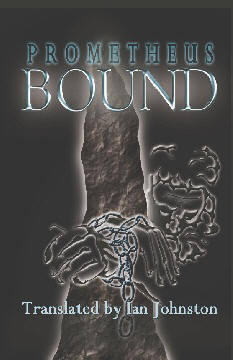
The chains fastening Prometheus to the rock make divine punishment visible. They symbolize the attempt to control a rebellious figure through physical force.
Fire, by contrast, represents the knowledge and practical abilities Prometheus has given humanity. Its association with invention and civilization makes his punishment especially troubling.
The exposed rocky landscape emphasizes isolation, while references to the sky, earth, and other natural forces suggest the vast scale of the conflict.
Close-reading task: Identify a description of Prometheus' confinement. Explain how its imagery contributes to the audience's understanding of his suffering and resistance.
Characterization Through Contrasting Speech
The playwright establishes character through differences in language and attitude.
Hephaestus expresses reluctance as he carries out Zeus' command. Power speaks with severity and certainty. Oceanus recommends caution, while Hermes demands submission.
Prometheus' speeches combine indignation, pride, suffering, and confidence in his knowledge of the future.
Close-reading task: Compare the language of Hephaestus and Power in the opening scene. What do their contrasting responses reveal about obedience and conscience?
Dramatic Irony and the Limits of Authority
Zeus possesses overwhelming physical power, yet Prometheus knows something important about the ruler's future that Zeus cannot compel him to disclose.
This reversal creates tension between outward strength and concealed vulnerability. The audience recognizes that Prometheus' imprisonment does not eliminate his influence.
The dramatic irony depends partly on the contrast between what Zeus can enforce and what he cannot know.
Prophecy and Foreshadowing
Prometheus' predictions concerning Io and her descendants connect present suffering with future events. His knowledge of a possible threat to Zeus also points beyond the action of the surviving play.
These prophecies enlarge the drama's timescale and sustain suspense. They suggest that present power may be temporary and that the consequences of divine decisions extend across generations.
Close-reading task: Examine one prophetic passage. What does it reveal, and what important information remains withheld?
The Chorus as Witness and Moral Voice
The Oceanids respond to Prometheus with sympathy, fear, and concern. Their questions encourage him to explain his actions, while their warnings draw attention to the dangers of defying Zeus.
The Chorus also helps guide the audience's emotional response. Its decision to remain with Prometheus at the end gives dramatic expression to loyalty and solidarity.
Contrast Between Movement and Stillness
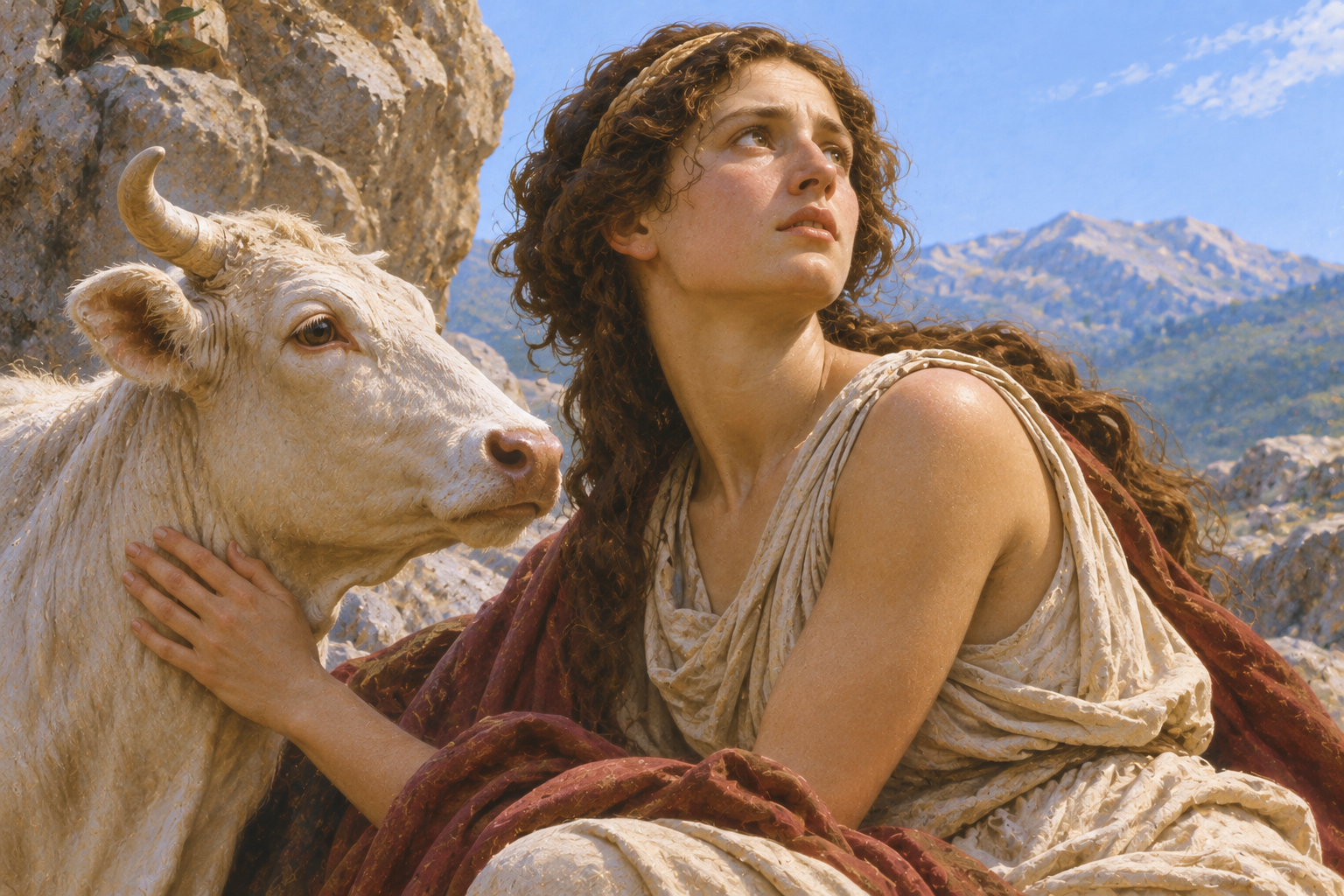
Prometheus cannot move, while other characters arrive, depart, or describe journeys across great distances. Io's restless wandering provides the clearest contrast with his fixed position.
Both characters suffer under divine authority, but their circumstances are dramatically opposite. This contrast encourages students to consider different forms of helplessness and endurance.
The Unresolved Ending
The final confrontation with Hermes intensifies the conflict without resolving it. Prometheus refuses to reveal his secret, and the threatened catastrophe follows.
The ending offers neither reconciliation nor release. Its force comes from the persistence of the central conflict and the uncertainty surrounding the future.
Questions for Literary Analysis
- How does the imagery of chains contribute to the play's treatment of authority?
- Why is fire an especially important symbol in Prometheus' account of humanity?
- How does the contrast between Hephaestus and Power establish the drama's moral conflict?
- What is the dramatic significance of Prometheus' prophetic knowledge?
- How does Io's movement contrast with Prometheus' confinement?
- How does the Chorus influence the audience's response to Prometheus?
- Why might the playwright have chosen an unresolved ending?
Note to the Educator
Encourage students to connect literary techniques with dramatic meaning rather than identifying devices in isolation. Comparing the opening exchange, Prometheus' accounts of his gifts to humanity, Io's encounter, and the final confrontation with Hermes will help students see how imagery, contrasting voices, and prophecy develop the play's central conflict.
Because wording varies among translations, students should use passages from their classroom edition when supporting interpretations. The play is traditionally attributed to Aeschylus, although its authorship remains disputed.
This guide accompanies the Richer Resources Publications edition translated by Ian Johnston.
A printable PDF version of this resource is available by email.