Essential Vocabulary and Glossary for Sophocles’ Oedipus at Colonus
Sophocles’ Oedipus at Colonus draws upon the religious customs, political relationships, and dramatic traditions of ancient Greece. Understanding these concepts helps students appreciate the play’s exploration of exile, family loyalty, moral responsibility, and the sacred significance of Oedipus’s final resting place.
This free educational glossary accompanies Ian Johnston’s English translation and provides 24 important terms, contextual explanations, and exercises for developing literary understanding.
Sacred Places and Religious Concepts
The glossary introduces important concepts associated with the setting and religious beliefs of the play:
- Colonus: The district near Athens where Oedipus seeks refuge.
- Eumenides: The goddesses associated with vengeance and sacred obligation, respectfully called the “Kindly Ones.”
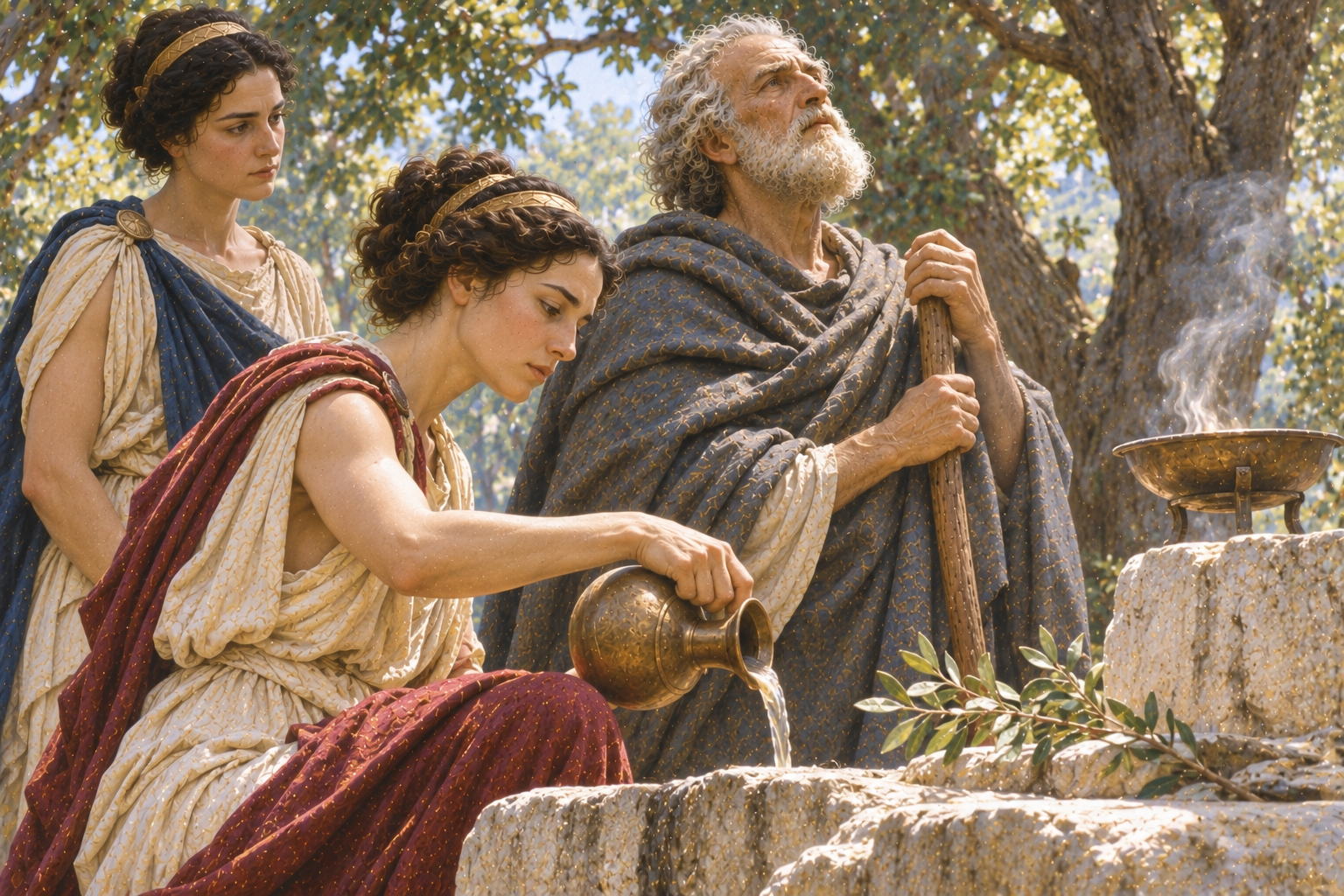
- Sacred grove: A place dedicated to divinities, where religious rules must be observed.
- Suppliant: Someone formally seeking assistance or protection.
- Libation: A liquid offering made during a religious ceremony.
- Oracle and prophecy: Divine pronouncements and predictions that influence the characters’ actions.
Political and Family Relationships
Students examine the meanings of exile, hospitality, and protection, alongside the roles of Theseus, Creon, Polynices, Antigone, and Ismene.
These terms illuminate the contrast between the treatment Oedipus receives from Athens and the attempts by Theban leaders to control his fate.
Literary and Dramatic Terminology
The guide explains concepts useful for analyzing the tragedy:
- Chorus: A group of elders whose songs and responses express communal concerns.
- Strophe and antistrophe: Corresponding sections of a choral ode.
- Dramatic irony: A contrast between the audience’s understanding and a character’s knowledge.
- Moral responsibility: Accountability for actions, including questions of intention and knowledge.
- Transformation: A profound change in status or meaning, particularly relevant to Oedipus’s final legacy.
Vocabulary in Context
Six student exercises encourage readers to apply the terminology to particular events and relationships. Students consider the significance of the sacred grove, the contrasting behavior of Theseus and Creon, the political importance of prophecy, and the responsibilities of family members.
Teacher notes offer guidance for classroom discussion and evidence-based interpretation.
Download the Vocabulary and Glossary
Download the free Essential Vocabulary and Glossary for Sophocles’ Oedipus at Colonus for classroom instruction, independent study, or review.
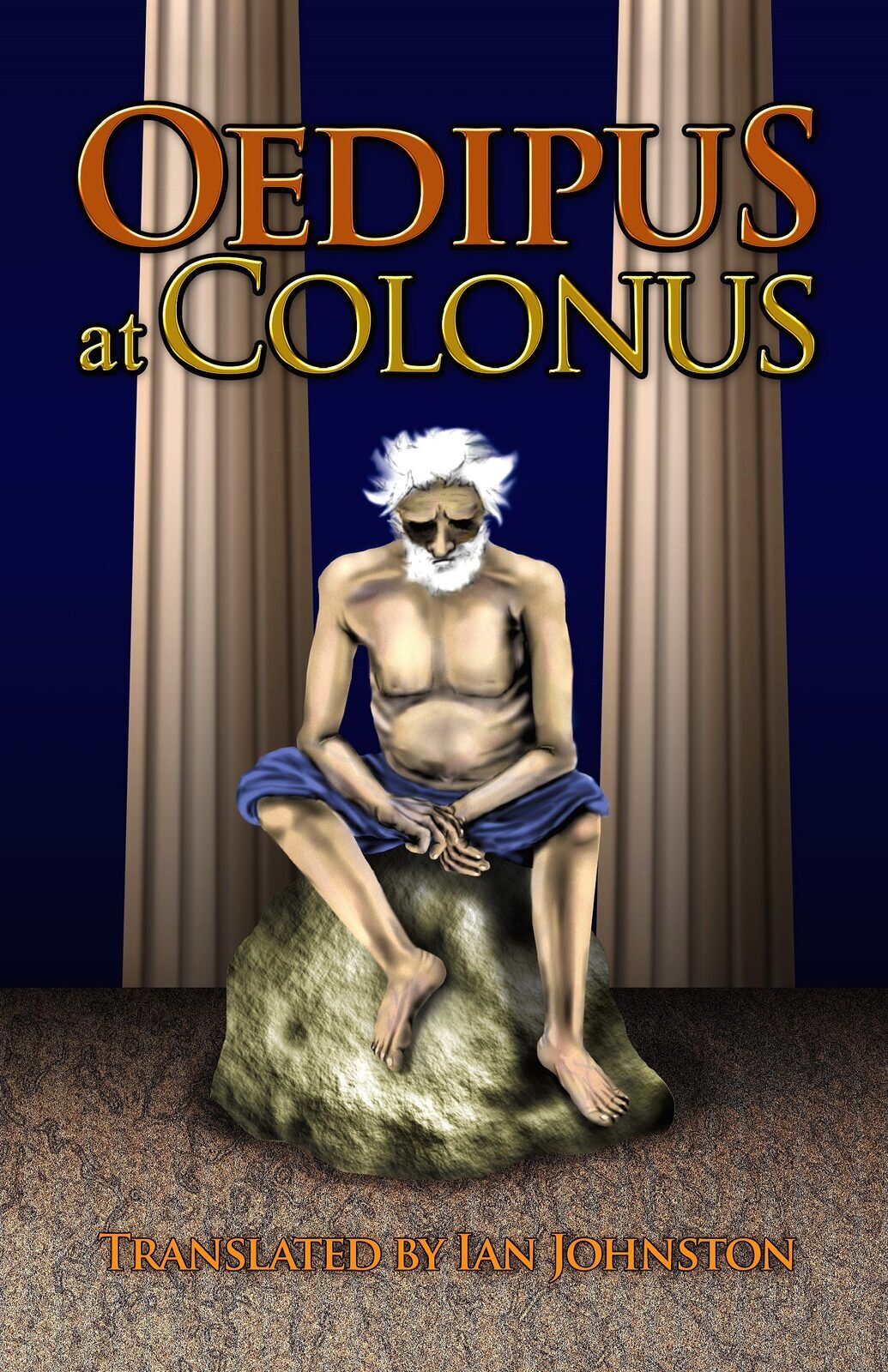
This resource complements Ian Johnston’s English translation of Sophocles’ tragedy, published by Richer Resources Publications.