What Can Fossils Tell Us?
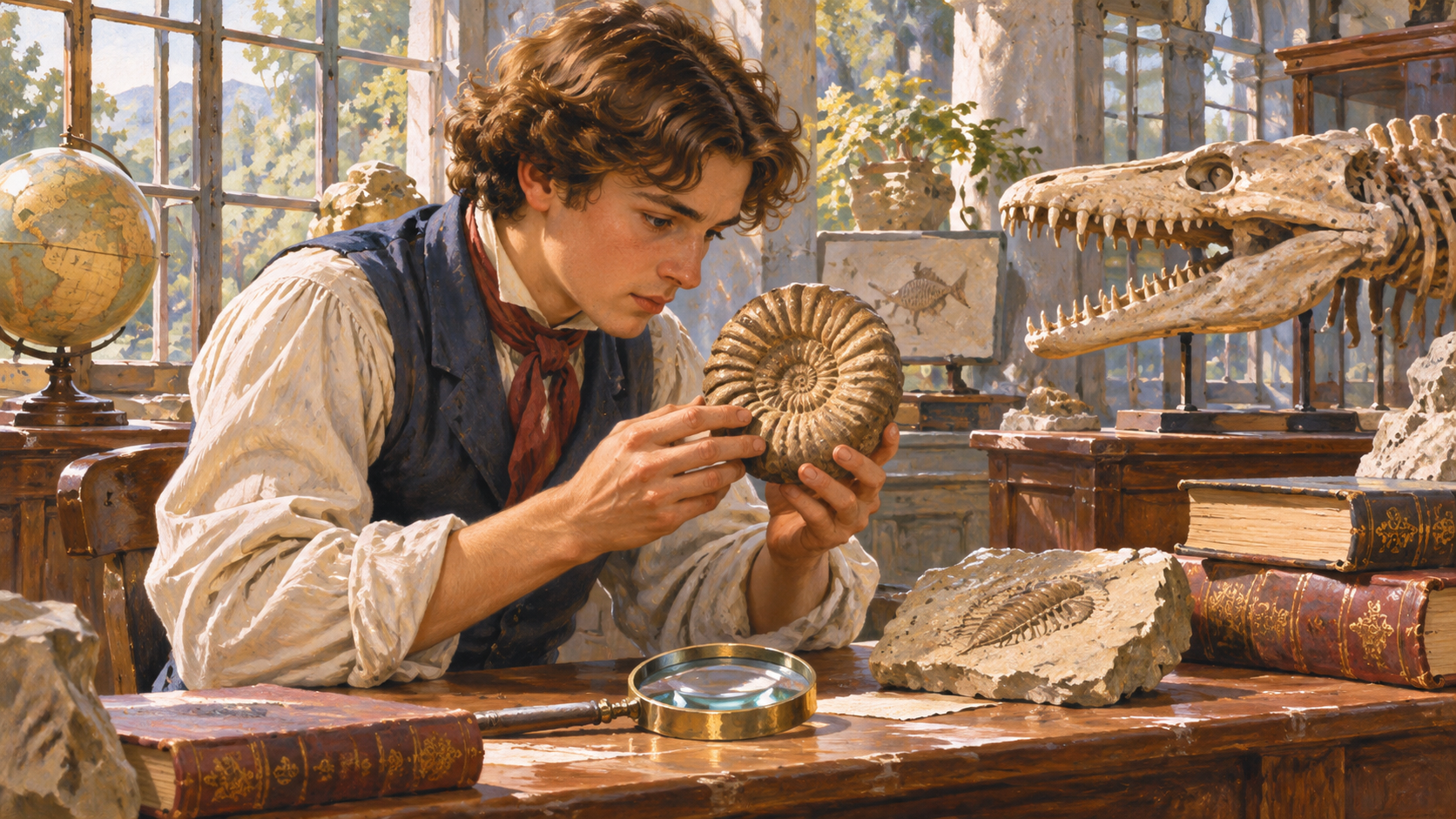
Imagine finding the bones of an animal no one has ever seen alive. How could you identify it? Could its species have disappeared? Georges Cuvier asked questions like these in the early nineteenth century. His work helped scientists recognize extinction and use fossils to investigate the history of life on Earth.
Meet Georges Cuvier
Georges Cuvier (1769–1832) was a French naturalist who studied animal anatomy and fossils. He compared the bones and teeth of living animals with those of fossil animals.
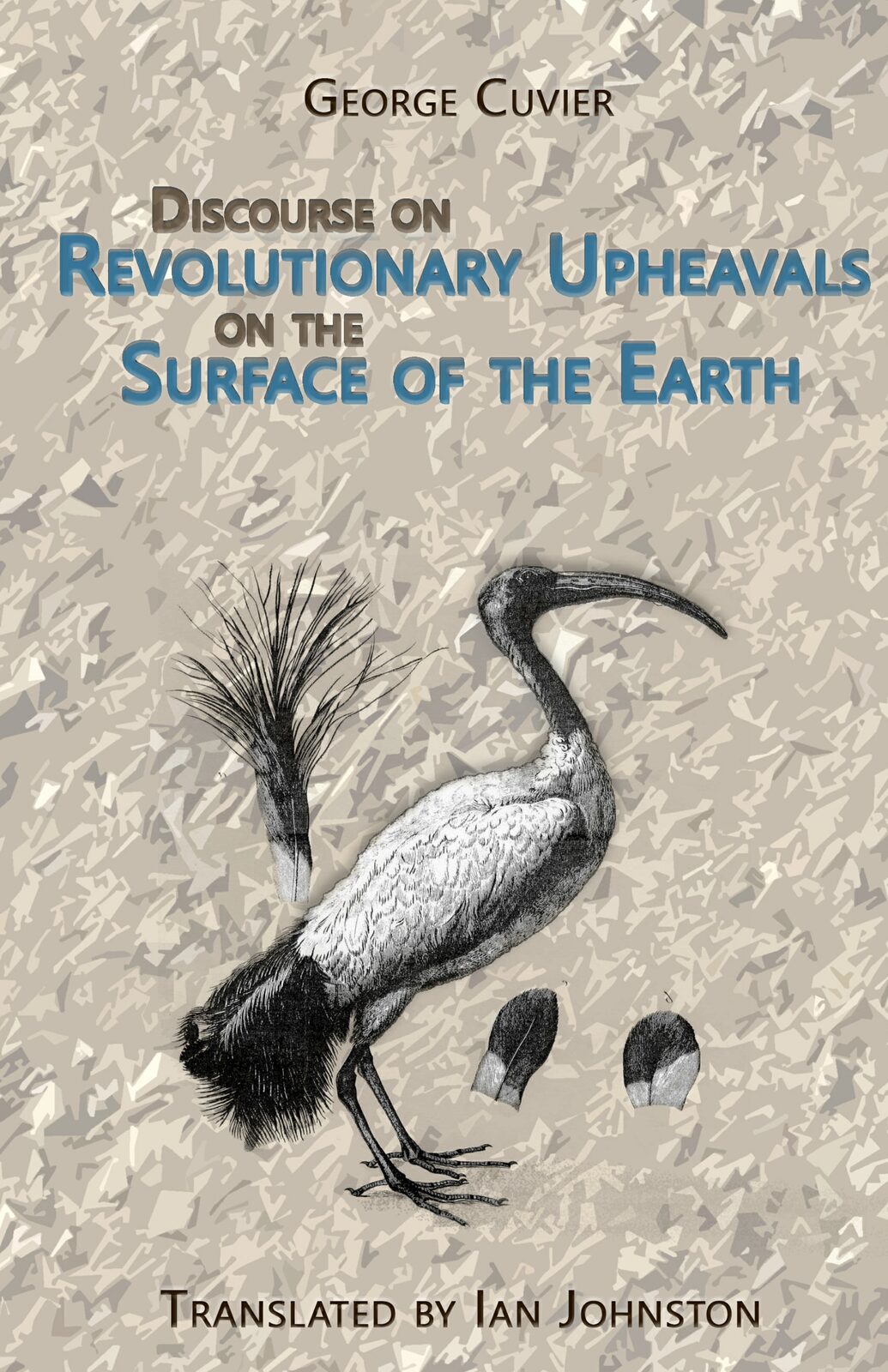
His Discourse on the Revolutionary Upheavals of the Earth argued that Earth had experienced major disruptions that changed its landscapes and living creatures. Some of his observations remain foundational, although many of his explanations have been revised.
Four Big Ideas
Comparative anatomy. Animals have body structures that work together. Comparing teeth, jaws, and skeletons can help scientists identify an animal and infer aspects of its way of life.
Extinction. Cuvier showed that some fossil animals were different from any living species known to science. This supported the conclusion that species could disappear.
Catastrophes. Cuvier believed sudden upheavals explained important changes in Earth’s past. Modern scientists recognize catastrophes such as asteroid impacts and major eruptions, alongside slow changes over immense periods of time.
Scientific revision. Cuvier rejected the idea that species evolved into other species. Modern evolutionary biology has established that species change over generations and share common ancestry.
Observation or Explanation?
A fossil jaw with unusually large teeth is an observation. Saying it belonged to a particular extinct animal is an inference supported by comparisons.
Saying that a catastrophe caused the animal’s extinction is a further explanation that requires additional evidence. Good scientific reasoning keeps these steps distinct.
Questions for Reading
- How can a scientist tell that a fossil belonged to an extinct animal?
- Why is comparing fossil bones with living animals useful?
- Can a scientist make a lasting discovery while being mistaken about its cause?
- What evidence might distinguish a sudden catastrophe from a slow geological change?
- What scientific tools and discoveries became available after Cuvier’s lifetime?
Try It Yourself
Fossil detective. Choose an image of a fossil animal and a living animal with similar features. Record three visible similarities and two differences. What can you reasonably infer?
Evidence sorter. Make two columns labeled “Observation” and “Explanation.” Place claims from a selected passage in the appropriate column, then discuss which explanations need more evidence.
Then and now. Write a short paragraph describing one of Cuvier’s important contributions and one conclusion modern science has changed.
Read with Care
Cuvier worked before modern radiometric dating, plate tectonics, and Darwin’s explanation of evolution by natural selection. We can appreciate his careful fossil comparisons without treating all his conclusions as correct. When using the book, distinguish his own arguments from what scientists know today.
Before You Finish
Explain in a paragraph how fossils can change our understanding of Earth’s past. Include one example of an observation, an inference, and a conclusion that would require further testing.
A printable PDF version of this resource is available by email.