A Comedy of Competing Plans
What happens when a father and son both want to marry the same young woman—and the mother of the household refuses to let the father have his way? In Clizia, Niccolò Machiavelli turns this uncomfortable situation into a comedy of secrets, disguises, and reversals. As you read, pay attention not only to what makes the play funny, but also to whose wishes matter and who has the power to act.
Meet Machiavelli
Niccolò Machiavelli (1469–1527) lived in Florence during the Italian Renaissance. Although best known for his political writings, he also wrote plays. Clizia, first performed in 1525, draws on the Roman comedy Casina by Plautus. Its clever plots, household disputes, and audience-directed remarks show how Renaissance writers adapted ancient theatre.
The Main Characters
Nicomaco: An older husband and father who tries to use his authority to pursue Clizia.
Cleandro: Nicomaco’s son, who also hopes to marry Clizia.
Sofronia: Nicomaco’s wife, who recognizes his plans and devises a counterplot.
Clizia: A young woman raised in the household, whose future others try to decide for her.
The servants: Participants in the rival schemes, helping turn household conflict into theatrical confusion.
How the Comedy Works
Rival schemes: Characters try to arrange marriages and deceive one another to get what they want.
Dramatic irony: The audience sometimes knows more than a character onstage, making that character’s confidence amusing.
Reversal: A plan intended to give someone control instead exposes that person to ridicule.
Recognition: A late discovery about Clizia’s identity changes how the conflict can be resolved.
Questions Beneath the Laughter
Authority: Does being the head of a household give Nicomaco the right to decide everything?
Intelligence and influence: How does Sofronia challenge his plans without holding the same formal authority?
Consent and agency: Why is it important that Clizia is often spoken about rather than allowed to speak for herself?
Justice: Is public embarrassment a fair punishment for Nicomaco’s conduct?
Questions for Reading
- Why do Nicomaco and Cleandro become rivals?
- What does Sofronia understand that Nicomaco underestimates?
- Find a moment when the audience knows something a character does not. How does that create comedy?
- How do the servants affect the action?
- Does the ending solve every problem raised by the play? Explain.
Try It Yourself
Stage a scene: With classmates, read a short exchange aloud. Decide where a pause, gesture, or glance toward the audience would make the comic situation clearer.
Track the schemes: Draw a simple chart showing what each character wants, what plan they follow, and what happens instead.
Write a response: Is Sofronia the most effective character in the play? Support your answer with two examples.
Reading with Care
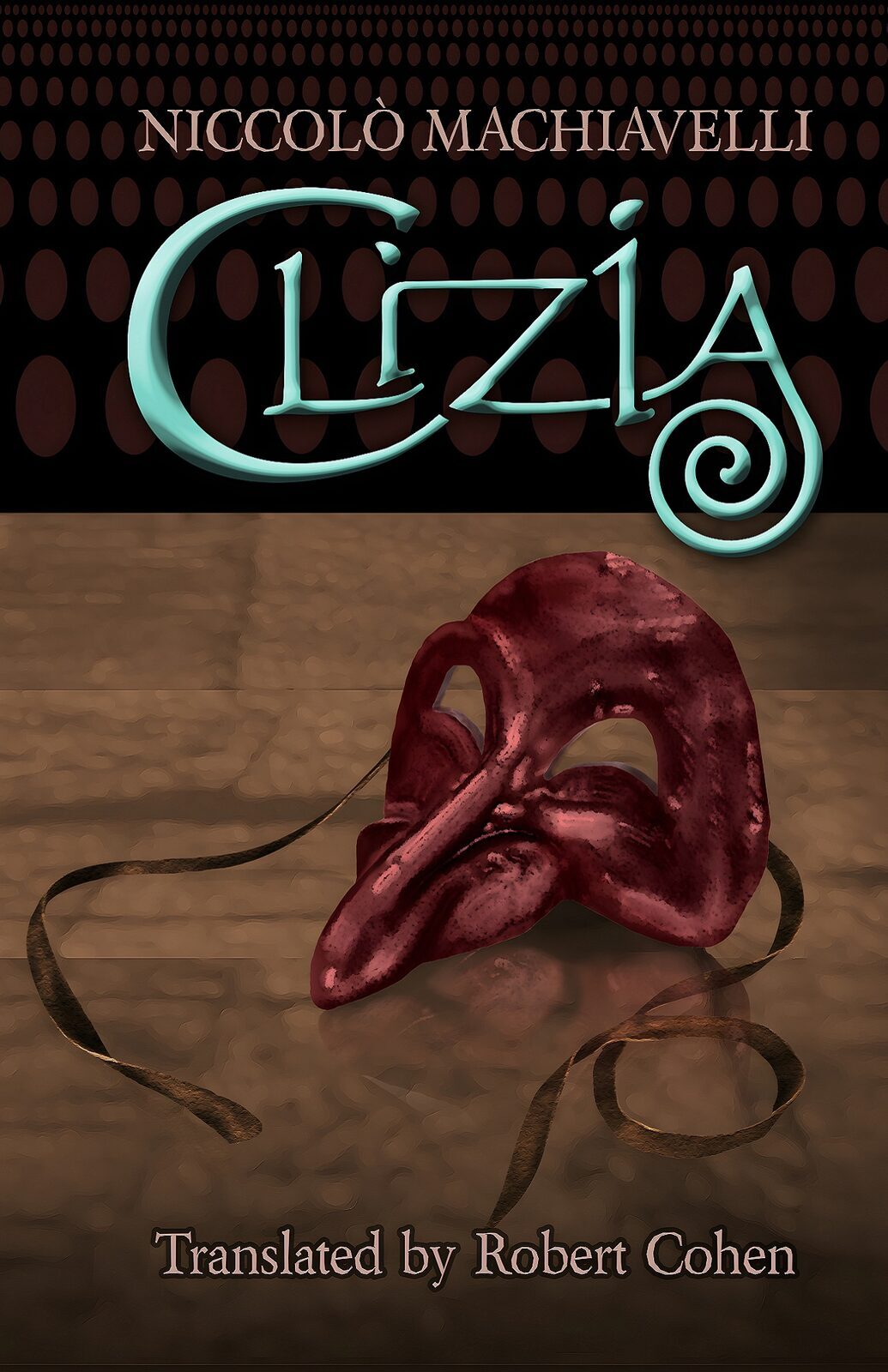
The plot includes an older guardian’s pursuit of a young woman raised in his household. What Renaissance audiences treated as comic may raise serious questions today about consent, coercion, and unequal power. You can examine the play’s humor while also questioning the behavior it depicts. When citing the text, check act and scene divisions in Robert Cohen’s translation and adaptation.
Before You Finish
In one paragraph, explain how Machiavelli uses deception to reveal something about power in the household. Name a character, describe one scheme or reversal, and explain what the audience learns from it.
A printable PDF version of this resource is available by email.