Teaching Machiavelli’s Renaissance Comedy
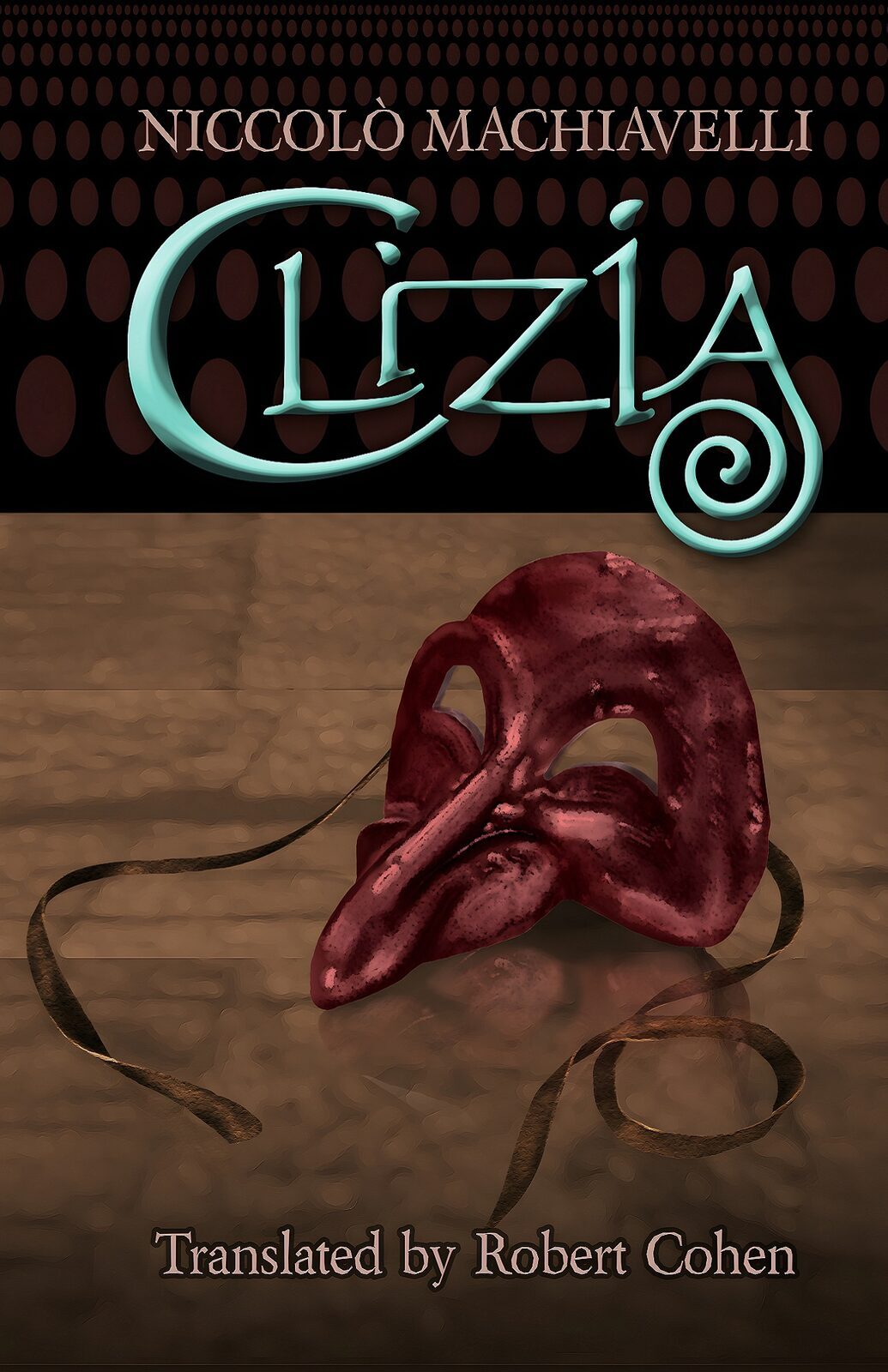
Niccolò Machiavelli’s Clizia (1524) is a five-act comedy of desire, deception, and domestic power. Inspired by the Roman playwright Plautus, it offers a lively introduction to Renaissance theatre and the ways comedy can expose hypocrisy and abuses of authority. Robert Cohen’s translation and adaptation, published by Richer Resources Publications, makes the play particularly suitable for classroom reading and performance.
Historical and Theatrical Context
Machiavelli (1469–1527) is best known for his political writings, particularly The Prince, but he also wrote drama. Clizia belongs to commedia erudita, or learned comedy, a Renaissance theatrical form that adapted classical Roman plots and conventions.
The play draws on Plautus’s Casina. Its action unfolds over a single day, using entrances and exits, asides to the audience, bawdy humor, elaborate schemes, and a concluding revelation. Students can explore how these inherited techniques become vehicles for Renaissance social criticism.
The play should not be confused with the later improvisational tradition of commedia dell’arte, although the two forms share important comic conventions.
Plot and Principal Characters
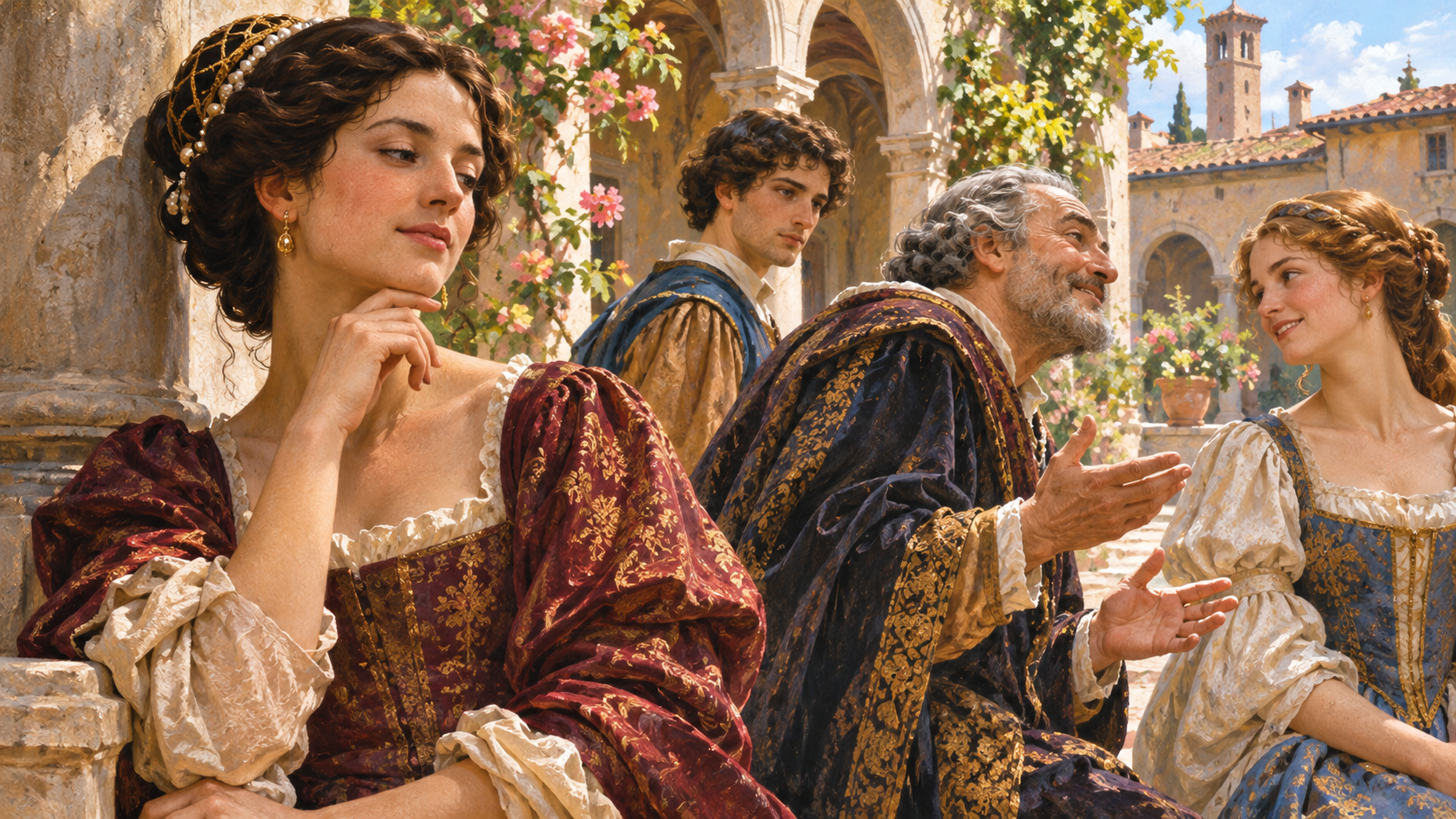
Nicomaco: An aging father whose desire for Clizia threatens his household and exposes the misuse of patriarchal authority.
Cleandro: Nicomaco’s son, who also loves Clizia and becomes his father’s rival.
Clizia: A young woman raised in Nicomaco’s household whose future becomes the object of competing schemes.
Sofronia: Nicomaco’s wife, whose intelligence and strategic deception make her the play’s principal counterforce to his misconduct.
Father and son attempt to manipulate Clizia’s marriage through servants who would act as intermediaries. Sofronia recognizes Nicomaco’s intentions and develops a plan to defeat him. The comedy culminates in a reversal and a revelation concerning Clizia’s parentage.
Central Themes
Power and hypocrisy. Nicomaco expects his authority as head of the household to protect his desires, but his conduct makes him vulnerable to ridicule.
Gender and agency. Sofronia exercises considerable influence, while Clizia herself is frequently treated as the object of others’ decisions. This contrast provides an opportunity to examine women's positions within Renaissance comedy.
Appearance and reality. Schemes, concealment, and theatrical deception create situations in which the audience understands more than individual characters.
Comedy and moral judgment. The play invites laughter while presenting troubling questions about consent, exploitation, and the responsibilities of those in authority.
Learning Objectives
Students should be able to:
- Explain how Clizia adapts conventions of Roman comedy.
- Identify the competing schemes that drive the plot.
- Analyze Sofronia’s role in challenging Nicomaco.
- Explain how asides, reversals, and audience knowledge produce comedy.
- Evaluate the relationship between comic entertainment and ethical criticism.
Suggested Three-Session Teaching Sequence
Session 1 — Renaissance Comedy and Its Origins
Introduce Machiavelli’s theatrical work and the influence of Plautus. Read the opening scenes aloud. Ask students to map the relationships among the principal characters and identify their conflicting desires.
Session 2 — Deception and Performance
Examine the development of the competing schemes. Assign short scenes for staged reading, paying particular attention to asides and the audience’s superior knowledge. Discuss how Sofronia uses deception to counter Nicomaco.
Session 3 — Resolution and Interpretation
Study the final reversal and recognition. Consider whether the ending restores justice, reinforces established social structures, or accomplishes both. Discuss how a contemporary production might handle the play’s uncomfortable subject matter.
Discussion Questions
- Why does Nicomaco’s authority make his behavior both powerful and ridiculous?
- How does Sofronia use intelligence and theatrical deception to influence events?
- What does the play reveal about the limited agency available to Clizia?
- How does the audience’s knowledge of concealed motives create humor?
- Does the ending resolve the moral problems raised by the plot?
Classroom Activities and Assessment
A map of power: Have students diagram the relationships among the characters, showing who attempts to influence or control whom. Revise the diagram as Sofronia’s scheme develops.
Performing an aside: Stage a brief exchange twice, first without direct address to the audience and then with it. Discuss how the audience’s experience changes.
Classical comparison: Research one convention of Plautine comedy and identify how Machiavelli employs or modifies it.
Analytical essay: Ask students to evaluate whether Sofronia is primarily a defender of household order, a challenger of patriarchal authority, or both.
Teaching Considerations
The plot involves an older guardian’s sexual pursuit of a young woman raised in his household and attempts to manipulate her marriage. These circumstances should be discussed as questions of authority, coercion, and exploitation rather than treated as an uncomplicated romantic farce.
Students can analyze the comedy without being required to perform uncomfortable situations. When assigning passages, verify act and scene divisions against Robert Cohen’s edition and distinguish his added stage directions from Machiavelli’s original text.
Concluding Perspective
Clizia demonstrates how Renaissance playwrights adapted classical comic structures to examine contemporary social relationships. Its theatrical energy makes it engaging for students, while its treatment of power and desire encourages careful ethical and historical interpretation.
A printable PDF version of this resource is available by email.