Reading Ovid: A World of Transformation
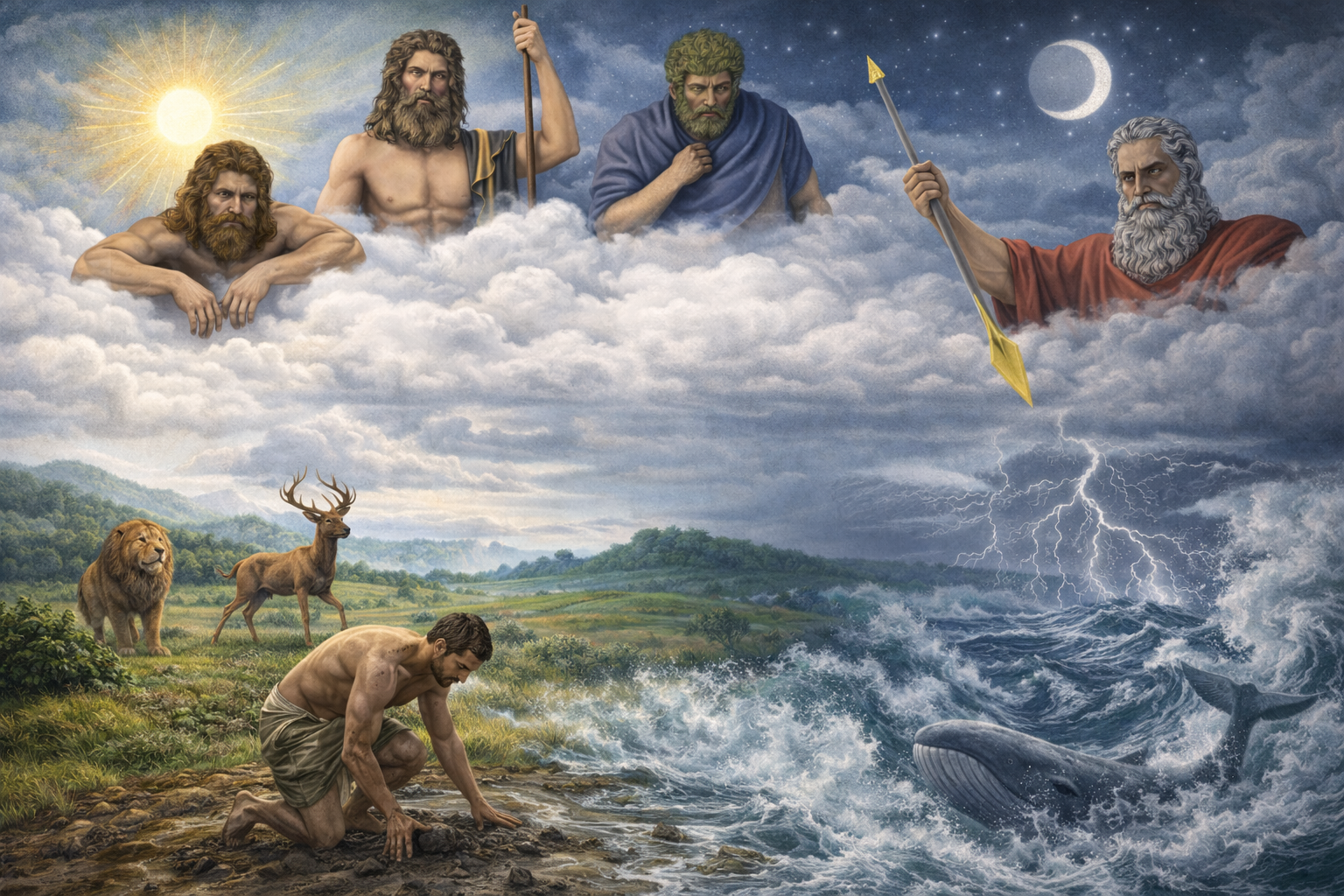
What happens when a person becomes a tree, a flower, a bird, or a star? In Metamorphoses, the Roman poet Ovid uses extraordinary changes to explore ordinary human experiences: love, fear, pride, grief, power, and the desire to be remembered. The poem contains fifteen books and moves from the creation of the world toward Roman history.
As you read, ask not only what a character becomes, but why the change happens and what, if anything, remains of the person who existed before.
Meet Ovid and His Poem
Ovid (43 BCE–17/18 CE) wrote in Latin during the age of Augustus. He adapted many Greek myths, as well as Roman traditions, into a connected poem. Some stories are tragic, others humorous or unsettling. The narrator frequently moves from one tale to another through a shared character, place, or idea.
Finding Your Way Through the Fifteen Books
- Books I–II: Creation, the flood, Apollo and Daphne, and Phaethon introduce a changing world and powerful gods.
- Books III–VI: Actaeon, Narcissus and Echo, Arachne, and Niobe explore seeing, desire, artistic rivalry, and punishment.
- Books VII–XI: Medea, Daedalus and Icarus, Orpheus and Eurydice, and Pygmalion connect change with love, invention, and loss.
- Books XII–XV: Stories of Troy and Rome lead to Pythagoras’ reflections on change and the poet’s closing claim that his work will endure.
Five Stories to Read Closely
Apollo and Daphne — Book I
Daphne seeks to escape Apollo’s pursuit and becomes a laurel tree. Does transformation protect her, punish her, or do both? Whose desires shape the ending?
Narcissus and Echo — Book III
Echo can repeat others’ words, while Narcissus becomes fascinated by his own reflection. Notice how sight and speech prevent genuine connection.
Arachne — Book VI
Arachne challenges Minerva (Athena) in weaving. Compare their tapestries. Is the conflict about skill, pride, truth-telling, or authority?
Daedalus and Icarus — Book VIII
Daedalus creates wings to escape confinement, but Icarus flies too close to the sun. What does the episode suggest about ingenuity, risk, and responsibility?
Orpheus and Eurydice — Book X
Orpheus tries to bring Eurydice back from the underworld through music. Why does the backward glance matter, and what are the limits of art?
Key Ideas to Watch For
- Identity: A body changes, but a name, memory, voice, or emotion may survive.
- Power: Gods and mortals rarely act on equal terms; question whether an outcome is just.
- Voice: Some characters tell their stories; others lose the ability to speak.
- Art: Songs, woven images, and stories can preserve what life cannot.
- Change and continuity: The poem repeatedly asks what endures in a world where nothing stays the same.
Reading Questions
- Choose two transformations. Who causes each change, and who benefits from it?
- Does Ovid always invite us to approve of the gods’ actions? Find evidence.
- How do Echo and Arachne use—or lose—the ability to express themselves?
- What connects the beginning of the poem with its ending?
- How does the narrator guide your sympathy in a story of your choice?
Activities and Writing
Transformation Chart
For three stories, record the character’s original form, new form, cause of change, and what remains recognizable. Compare the results.
Short Analytical Paragraph
Choose one episode and explain whether transformation is mainly an escape, a punishment, or something more complicated. Use specific details from the text.
Creative Retelling
Retell a brief scene from the perspective of a character who has little opportunity to speak. Add a note identifying what you changed and why.
A Note on Difficult Material
Some myths include coercion, sexual violence, and the suffering of families. Reading critically means recognizing these events without treating them as acceptable merely because a god causes them.
Before You Finish
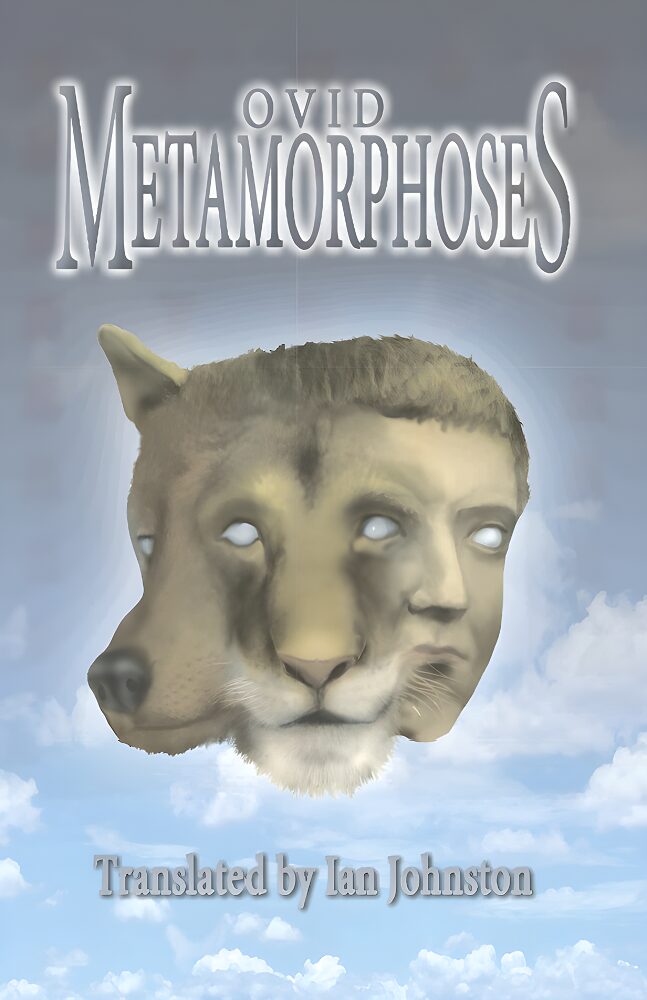
Be ready to explain how transformation can reveal character, how unequal power shapes events, and how Ovid connects separate myths into a larger poem. Cite the relevant book and episode; check exact quotations against the Richer Resources Publications translation by Ian Johnston.
A printable PDF version of this resource is available by email.