Testing Understanding of Power, Defiance, and Suffering
Prometheus Bound presents a conflict between divine authority and individual resistance. Although Prometheus remains physically imprisoned throughout the drama, his encounters with other characters reveal important questions about justice, responsibility, knowledge, and the consequences of defying power.
This reading comprehension and analysis quiz helps students review the play's central events while developing their ability to interpret character motivations and dramatic meaning.
What the Quiz Covers
The assessment focuses on several important aspects of the tragedy:
- The reasons for Prometheus' punishment
- The contrasting attitudes of Hephaestus, Oceanus, and Hermes
- Prometheus' gifts to humanity
- Io's suffering and her connection to the wider myth
- The significance of prophecy and Prometheus' refusal to submit
- The relationship between authority, justice, and moral responsibility
Comprehension Questions
Eight multiple-choice questions assess students' understanding of the characters, events, and conflicts presented in the play.
These questions provide a foundation for the more interpretive work that follows.
Short Written Responses
Three analytical questions ask students to explain the significance of Prometheus' actions, examine contrasting responses to authority, and consider how the play creates dramatic tension.
Students should support their interpretations with specific details from the text.
Classroom Use
Teachers may assign the quiz after students finish reading Prometheus Bound or use selected questions for review and discussion.
The assessment is designed for individual completion, although the written responses may also serve as starting points for small-group discussion.
A separate teacher answer key includes the correct multiple-choice answers, suggested analytical responses, and scoring guidance.
Note to the Educator
Encourage students to distinguish factual comprehension from literary interpretation. The play offers opportunities to consider whether Prometheus' refusal to submit represents courage, pride, or both, and whether obedience to authority necessarily implies moral responsibility.
Because the play is traditionally attributed to Aeschylus but its authorship remains disputed, teachers may briefly acknowledge this scholarly question without allowing it to distract from the dramatic text.
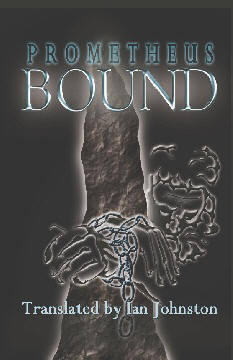
This resource accompanies the Richer Resources Publications edition translated by Ian Johnston.
Printable PDF versions of the student quiz and separate teacher answer key are available by email.