Character Guide to Sophocles’ Oedipus at Colonus
In Sophocles’ Oedipus at Colonus, the aging Oedipus arrives near Athens seeking refuge and a place to end his life. Although he is blind, exiled, and dependent upon his daughters, he possesses a prophetic significance that makes him valuable to competing political powers.
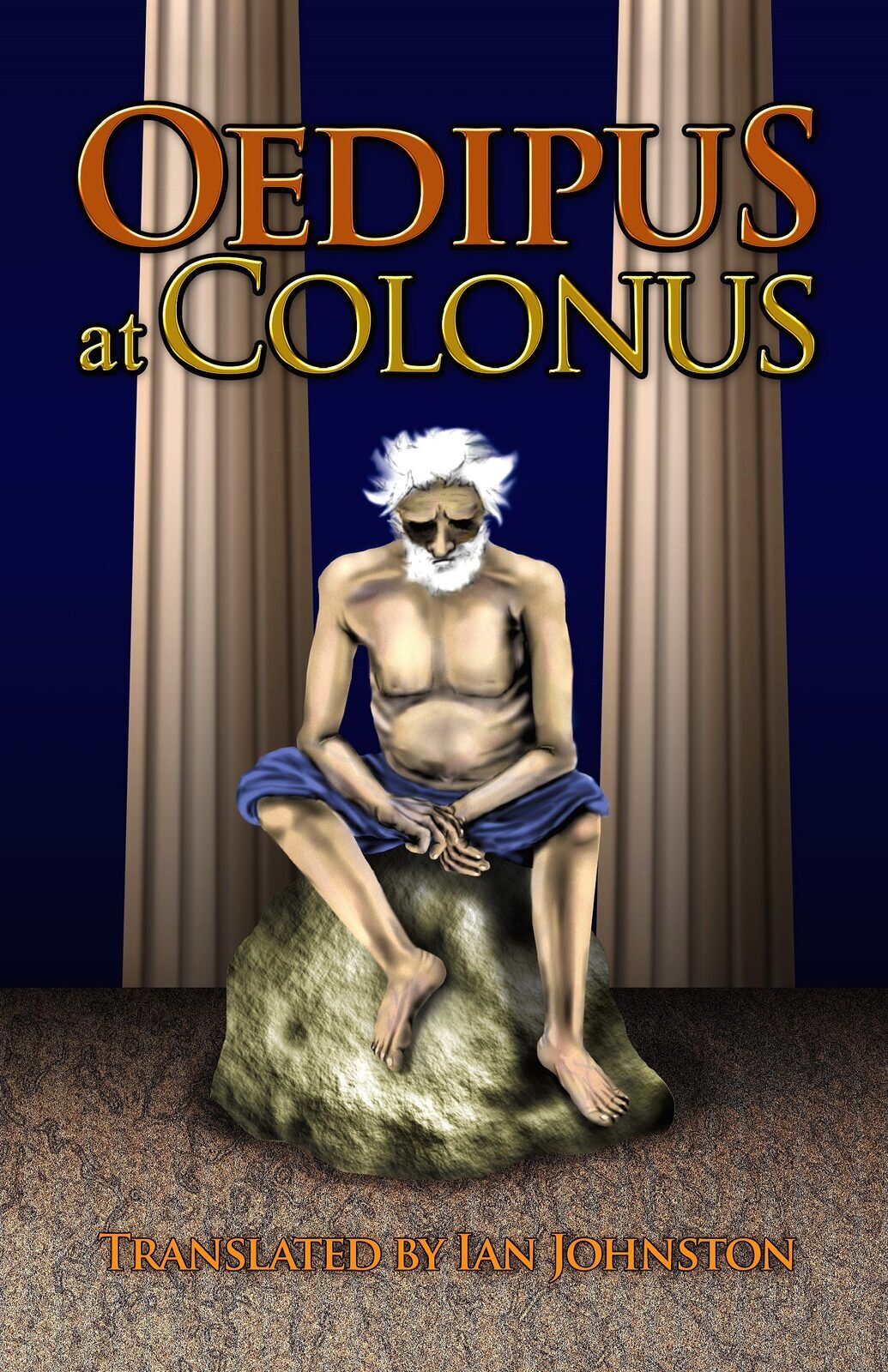
This free character guide accompanies Ian Johnston’s English translation and helps students examine the principal figures, their relationships, motivations, and contributions to the tragedy.
Principal Characters
Oedipus — Exiled Former King of Thebes
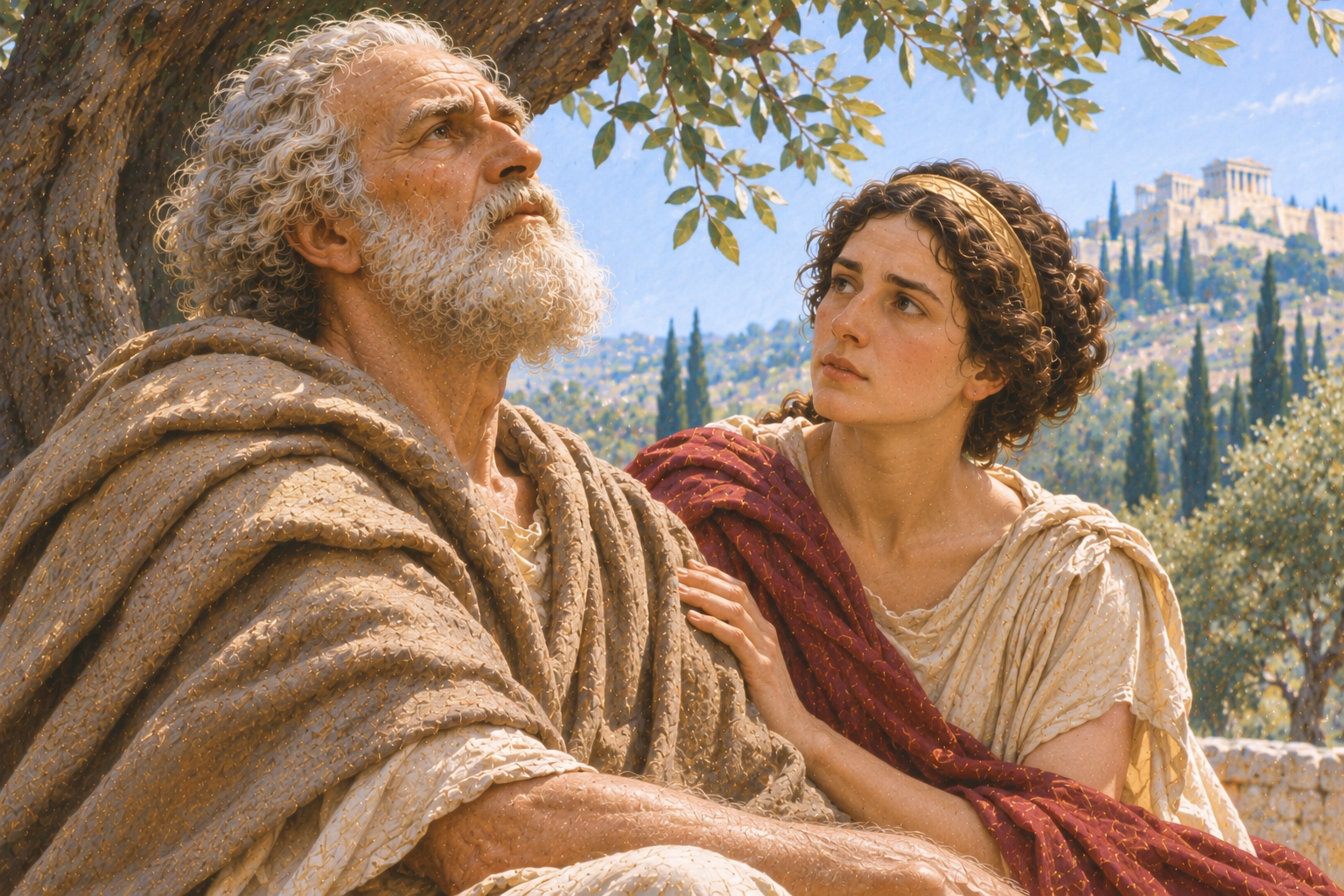
Once a powerful ruler, Oedipus now depends upon his daughters for guidance and assistance. He defends himself against accusations concerning his past and seeks a final resting place where he will be treated with dignity.
Antigone — Oedipus’s Daughter
Antigone accompanies her father into exile, offering physical assistance, emotional support, and unwavering loyalty. Her actions demonstrate the importance of family responsibility.
Ismene — Oedipus’s Daughter
Ismene brings news of the political struggle in Thebes and the prophecy concerning her father's death. She also helps fulfill the religious obligations associated with his arrival at Colonus.
Theseus — King of Athens
Theseus offers Oedipus protection and hospitality. His conduct contrasts with that of the Theban representatives and raises questions about justice, political leadership, and the treatment of vulnerable strangers.
Creon — Representative of Thebes
Creon attempts to bring Oedipus under Theban control. His methods reveal the conflict between political ambition and respect for personal dignity.
Polynices — Oedipus’s Son
Polynices appeals to his father for support in his struggle for Thebes. Their encounter exposes deep divisions within the family and raises questions about forgiveness, betrayal, and responsibility.
The Chorus of Colonus
The local elders initially fear Oedipus's presence in sacred ground but gradually become involved in his situation. Their responses reflect communal values, religious concerns, and changing judgments.
The Messenger
The messenger describes the extraordinary circumstances surrounding Oedipus's final departure, preserving the mystery of his death while conveying its religious significance.
Relationships and Conflicts
The guide explores the contrasting relationships between Oedipus and his daughters, his estrangement from Polynices, and the different approaches of Theseus and Creon.
Students are encouraged to distinguish characters' stated intentions from their actions and to consider how family obligations become entangled with political interests.
Character Development and Dramatic Significance
Oedipus's position changes profoundly during the tragedy. Although he begins as an apparently powerless exile, the prophecy concerning his final resting place gives him a new form of authority.
The conduct of the surrounding characters helps reveal the play's concerns with hospitality, justice, loyalty, religious obligation, and the responsible exercise of power.
Classroom Activities
The downloadable guide includes:
- Profiles of eight principal characters and character groups.
- Six close-reading questions.
- A character-evidence chart.
- A comparison of Theseus and Creon as political leaders.
- A structured discussion of family loyalty and obligation.
- A timeline tracing knowledge and disclosure.
- Teacher notes supporting evidence-based interpretation.
Download the Character Guide
Download the free Character Guide to Sophocles’ Oedipus at Colonus for classroom instruction, independent study, or literature discussion.
This resource complements Ian Johnston’s English translation of Sophocles’ tragedy, published by Richer Resources Publications.