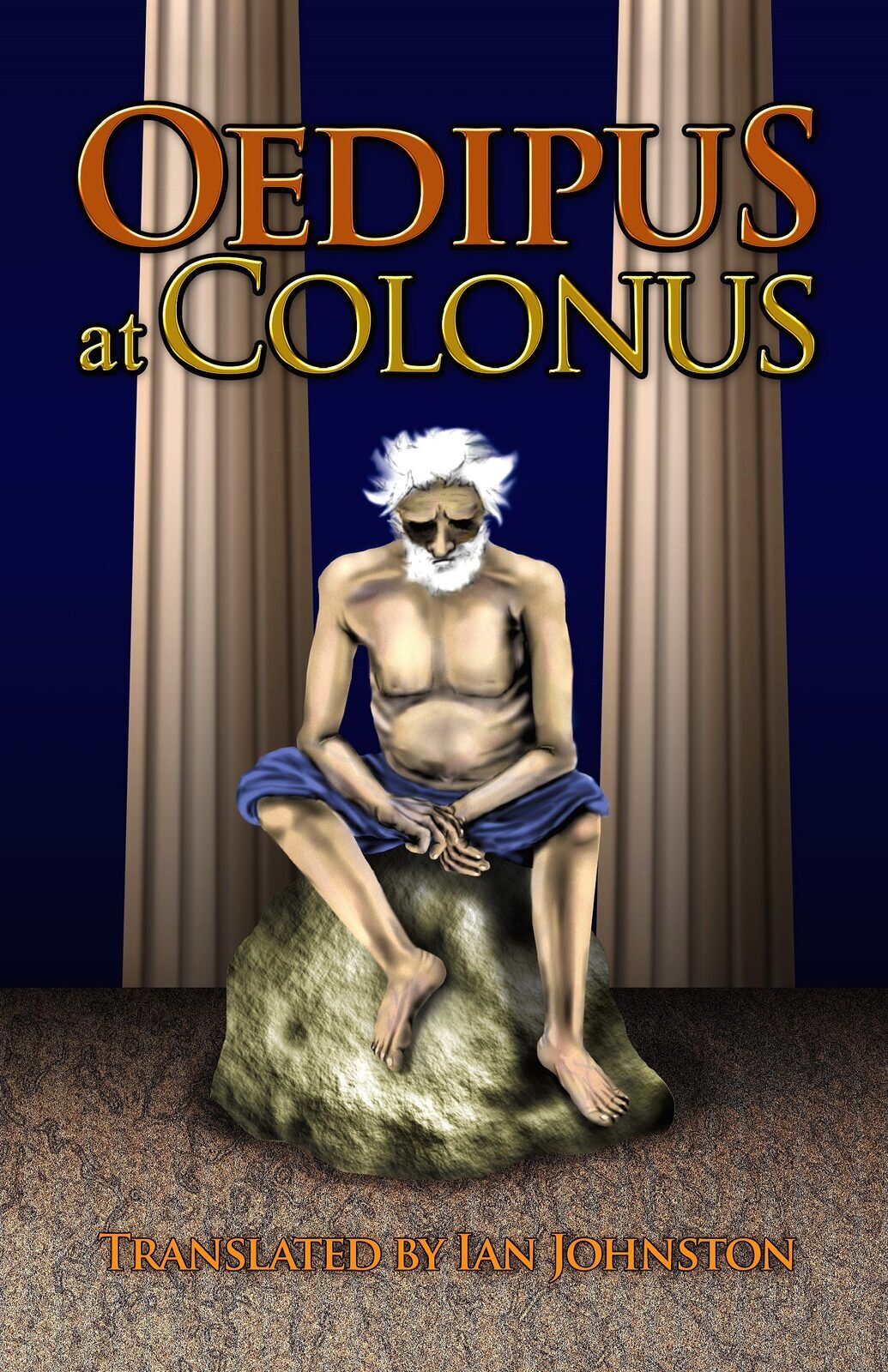
Major Themes in Sophocles’ Oedipus at Colonus
Sophocles’ Oedipus at Colonus, translated by Ian Johnston, follows the aging Oedipus as he approaches the end of his life in exile. Although he has lost his kingdom and much of his former power, his arrival near Athens places him at the center of new conflicts involving family loyalty, political authority, divine prophecy, and the meaning of justice.
This free educational guide examines six major themes in the tragedy, with close-reading questions and classroom activities designed to encourage thoughtful literary analysis.
Six Major Themes
1. Exile, Belonging, and Hospitality
Oedipus arrives at Colonus as a vulnerable stranger seeking refuge. The contrasting responses of the local elders and Theseus raise questions about hospitality, citizenship, and a community's obligations toward outsiders.
2. Suffering, Innocence, and Moral Responsibility
Oedipus distinguishes between actions committed unknowingly and deliberate wrongdoing. His defense invites readers to reconsider guilt, intention, suffering, and responsibility.
3. Family Loyalty, Betrayal, and Obligation
Antigone and Ismene remain devoted to their father, while Polynices and Creon approach him with political interests of their own. Their contrasting behavior raises difficult questions about loyalty, forgiveness, and family obligations.
4. Political Power and the Uses of Prophecy
The prophecy concerning Oedipus's final resting place makes him valuable to competing cities. The conduct of Creon and Theseus illustrates different approaches to political authority and the treatment of vulnerable individuals.
5. Sacred Space, Divine Law, and Human Limits
The sacred grove of the Eumenides shapes the action of the play. Religious obligations, ritual practices, and divine authority influence the characters' decisions and the mysterious conclusion.
6. Transformation, Death, and Lasting Legacy
Oedipus's final journey presents a striking contrast with his downfall in Oedipus the King. His apparent powerlessness gives way to a new form of authority, and his death becomes associated with protection and enduring significance.
Classroom Applications
The downloadable guide includes activities encouraging students to:
- Compare the conduct and political interests of Athens and Thebes.
- Debate the relationship between intention and moral responsibility.
- Examine family loyalty through the actions of Oedipus's children.
- Compare Oedipus's development across the two tragedies.
- Support interpretations with evidence from the text.
Supporting Literary Analysis
Each theme includes a close-reading question designed to encourage careful examination of the play. Teacher notes provide suggestions for classroom discussion and emphasize the importance of distinguishing textual evidence from interpretation.
Download the Major Themes Guide
Download the free Major Themes in Sophocles’ Oedipus at Colonus for classroom instruction, independent study, or literature discussion.
This guide complements Ian Johnston's English translation of Sophocles’ tragedy, published by Richer Resources Publications.