Discussion Questions and Critical-Thinking Activities for Sophocles’ Oedipus at Colonus
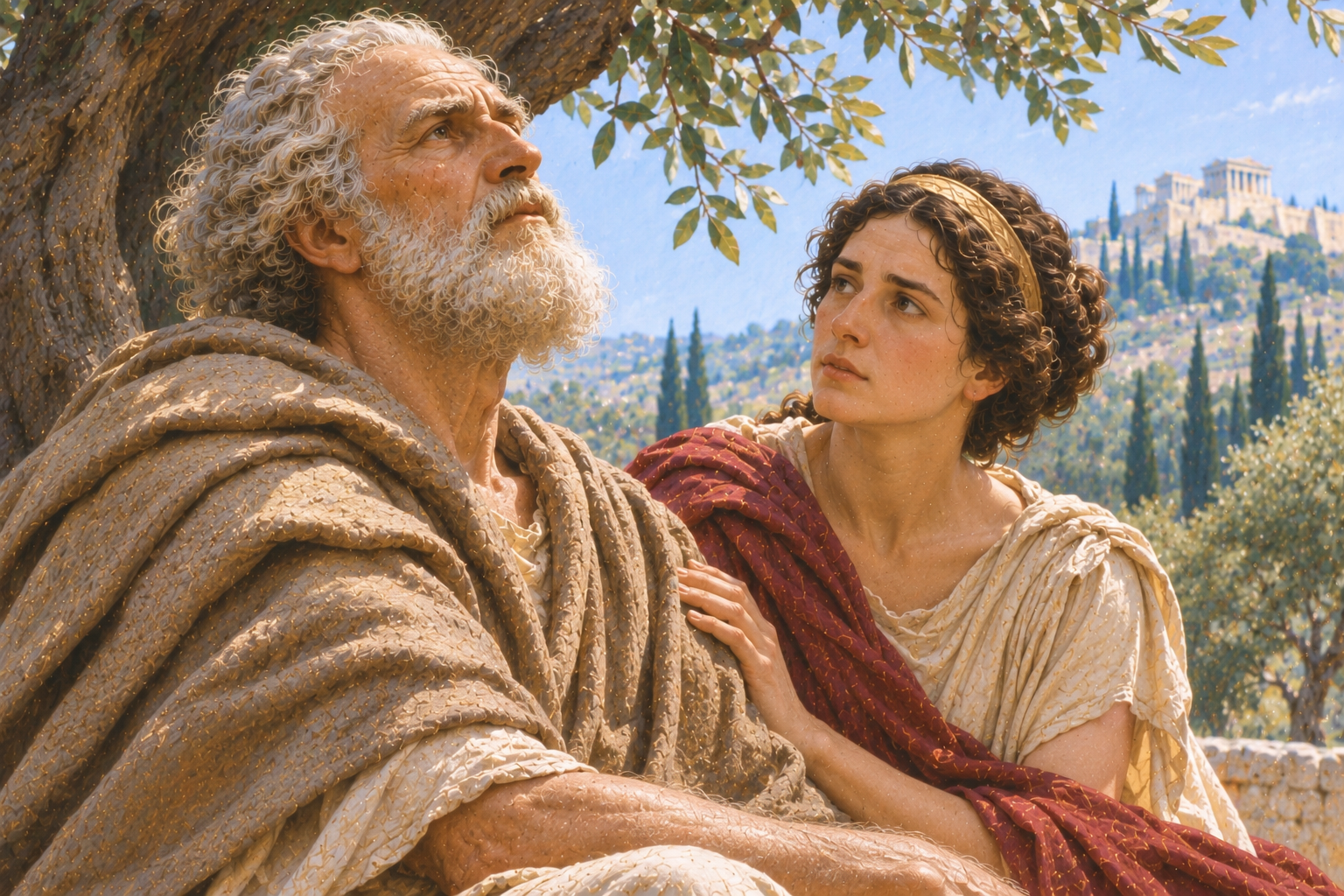
Sophocles’ Oedipus at Colonus follows the aging Oedipus as he seeks refuge near Athens, accompanied by his devoted daughters. His arrival brings questions about religious obligation, political authority, family loyalty, and the meaning of justice after years of suffering.
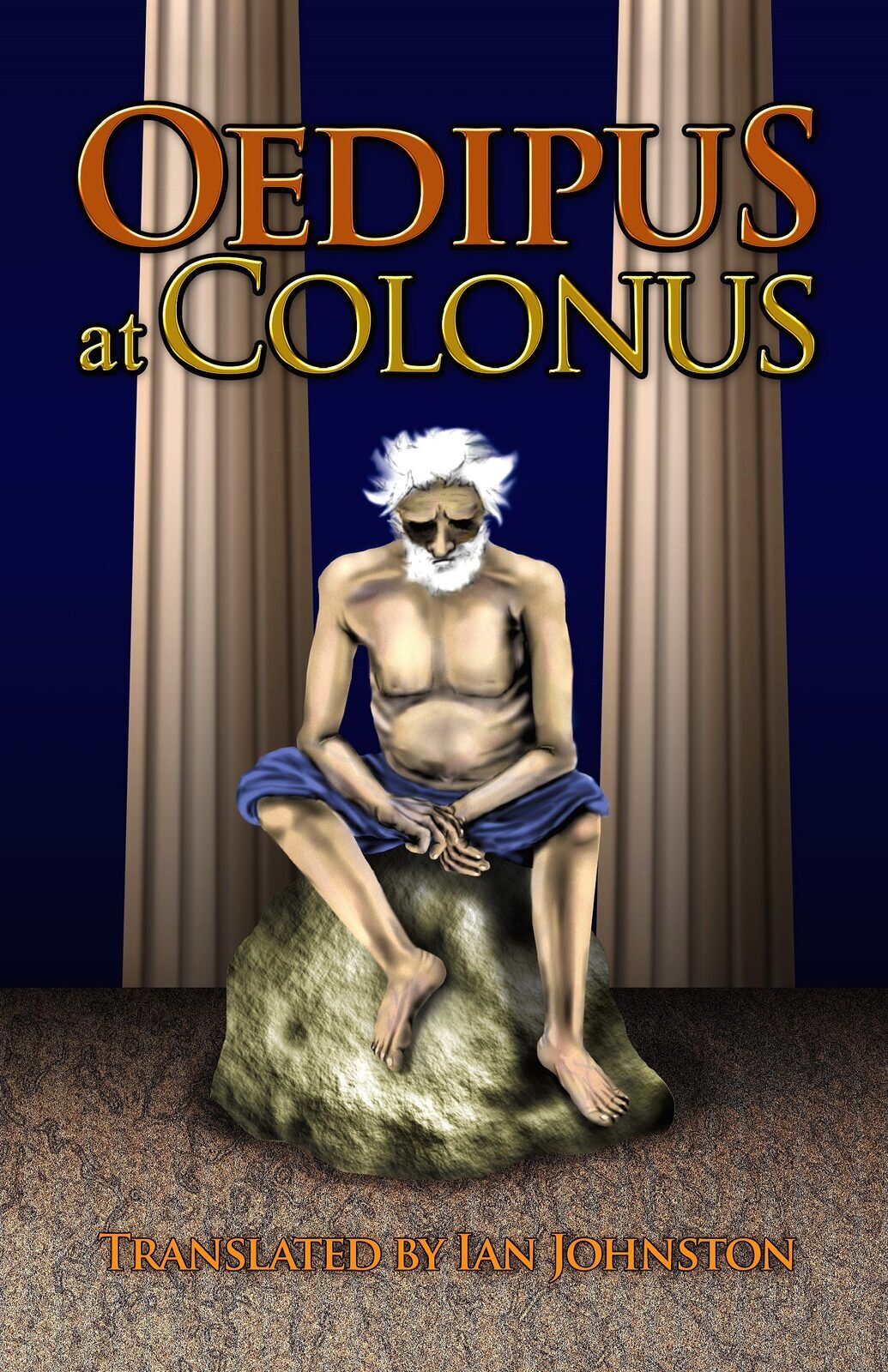
This free educational resource accompanies Ian Johnston’s English translation and provides 18 discussion questions, four classroom activities, and facilitator notes to encourage close reading and thoughtful interpretation.
Topics for Discussion
Exile, Belonging, and Sacred Space
Students examine Oedipus’s experience of exile, the significance of the sacred grove at Colonus, and the responsibilities of a community toward a vulnerable stranger.
Family Loyalty and Political Power
Questions explore the contrasting behavior of Antigone, Ismene, Creon, and Polynices, including the ways family relationships become entangled with political ambition.
Prophecy, Agency, and Transformation
Students consider how Oedipus’s relationship to prophecy has changed, why competing cities seek control over his final resting place, and how his apparent powerlessness becomes a source of authority.
Dramatic Form and Interpretation
Questions address the Chorus, the importance of setting, messenger testimony, and the play’s complex conclusion.
Classroom Activities
The downloadable guide includes four structured activities:
- Two Cities, Two Responses: Students compare the interests and arguments of Athens and Thebes.
- Responsibility Hearing: A role-based discussion examines intention, knowledge, and responsibility in the characters’ decisions.
- Character-Knowledge Timeline: Students trace what different characters know and when they learn it.
- Compare the Two Oedipus Plays: Students investigate how Oedipus’s identity, authority, and relationship to prophecy develop between Oedipus the King and Oedipus at Colonus.
Supporting Critical Thinking
Facilitator notes encourage students to distinguish evidence from interpretation, consider competing perspectives, and develop arguments supported by the text. The questions are suitable for whole-class discussion, small-group work, seminars, and written reflection.
Download the Discussion Questions
Download the free Discussion Questions and Critical-Thinking Activities for Sophocles’ Oedipus at Colonus for classroom instruction, independent study, or literature discussion.
This resource complements Ian Johnston’s English translation of Sophocles’ tragedy, published by Richer Resources Publications.