Why Study the Origins of Morality?
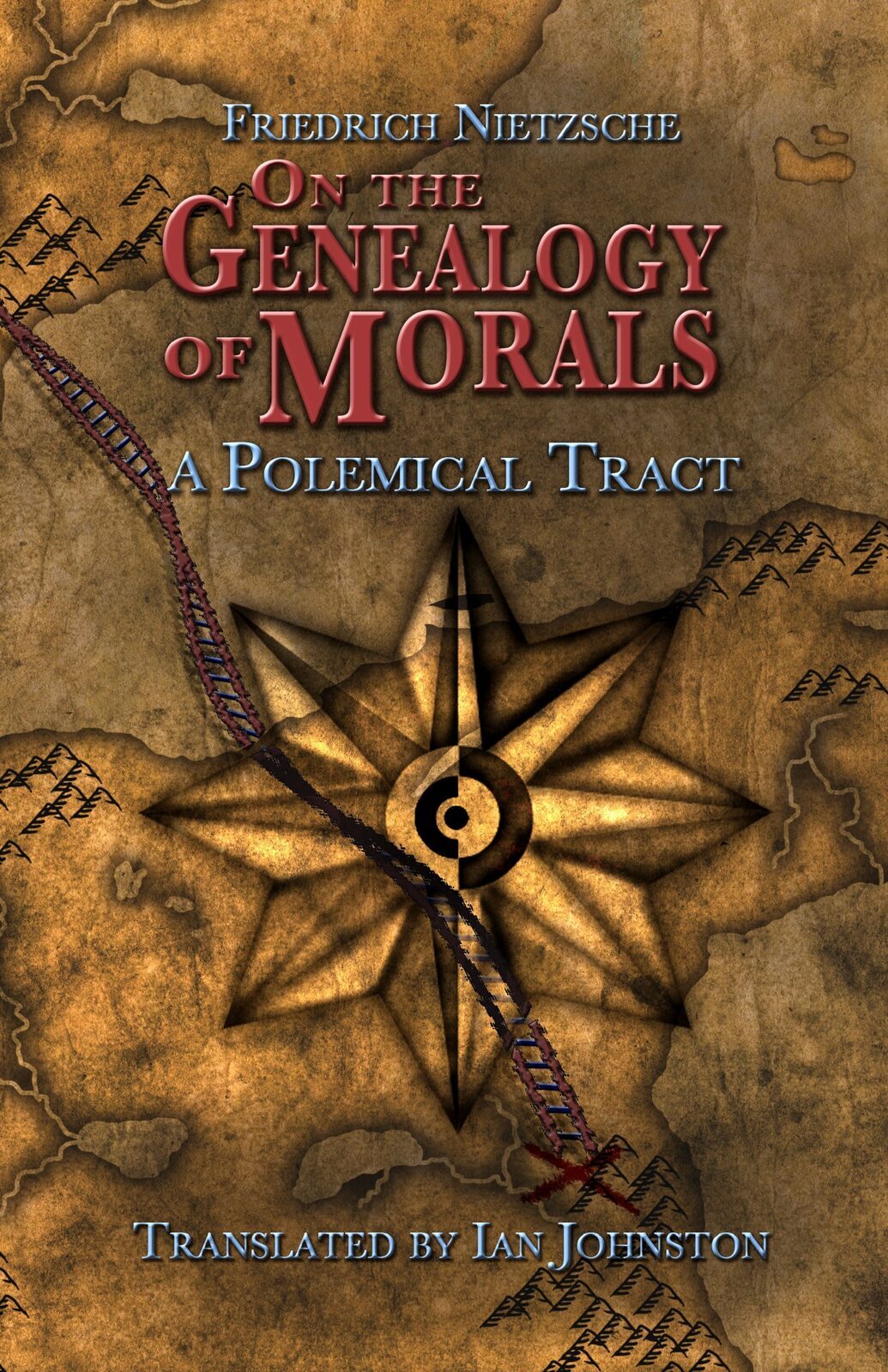
Where do ideas about right and wrong come from? In On the Genealogy of Morals (1887), Friedrich Nietzsche asks how moral judgments developed and what effects they have on human life. He does not simply ask whether a rule is good; he asks who first valued it, under what circumstances, and for what purposes. His answers are often provocative, and readers should examine his evidence rather than assume his historical explanations are proven.
Meet Nietzsche and His Method
Friedrich Nietzsche (1844–1900) was a German philosopher and classical scholar. A “genealogy” traces how an idea changes over time. Nietzsche uses psychology, history, language, and interpretation to investigate morality. The book contains three essays. For assignments, cite the essay number and section number, since page numbers vary by edition.
First Essay: “Good and Evil,” “Good and Bad”
Nietzsche contrasts two ways of assigning moral value. In his account, a noble or “master” morality originally called qualities such as strength and excellence “good,” while a contrasting “slave” morality evaluated the powerful as “evil” and praised qualities associated with the powerless. He connects this reversal to ressentiment: a lasting, reactive hostility that may shape judgments. These are Nietzsche’s interpretive categories, not simple labels for actual people or social groups. Ask whether his proposed origins explain the worth of the values themselves.
Second Essay: Guilt and Bad Conscience
Nietzsche explores how people learned to make promises, remember obligations, and accept punishment. He connects the language of guilt with debt and describes “bad conscience” as impulses turned inward when outward expression is restricted. This is a philosophical and psychological proposal, not an established history of how all human guilt developed. Think about whether guilt can also arise from empathy or genuine concern for someone harmed.
Third Essay: The Ascetic Ideal
An ascetic ideal gives special value to restraint, self-denial, or renouncing ordinary desires. Nietzsche asks why such ideals appeal to people, including those who suffer. He suggests that an explanation for suffering can make suffering bearable, even when the explanation imposes new burdens. Consider whether discipline and self-denial can also serve constructive purposes.
Five Terms to Know
Genealogy: An inquiry into the development and changing uses of an idea.
Ressentiment: Enduring, reactive hostility that Nietzsche links to some moral evaluations.
Bad conscience: Nietzsche’s account of impulses directed inward.
Ascetic ideal: An ideal that prizes self-denial or restraint.
Value of values: The question of whether our moral commitments benefit or diminish life.
Questions for Reading
- If a belief began in resentment, does that prove the belief is wrong? Explain.
- What is the difference between feeling guilty and owing someone a debt?
- Why might people seek a meaning for suffering?
- What kinds of evidence would support or challenge Nietzsche’s historical claims?
- Can a moral value have a questionable origin and still be worth defending?
Activities
Trace a value: Choose honesty, fairness, or loyalty. Describe how its meaning might differ across times and communities. Separate what you know from what you are guessing.
Examine an argument: Select one numbered section. Write Nietzsche’s claim in your own words, identify his evidence, and offer a thoughtful objection.
Short response: Explain why discovering where a moral belief came from is not the same as deciding whether it is good.
Reading with Care
Nietzsche makes sweeping and sometimes offensive claims about religion, peoples, and social hierarchy. His arguments are not beyond criticism. Read in context, distinguish claims from evidence, and make room for disagreement supported by reasons. You do not need to agree with Nietzsche to learn from the questions he raises.
Before You Finish
Write a paragraph explaining which of Nietzsche’s three essays most changed how you think about morality. Identify one argument you find persuasive or unpersuasive and explain why.
A printable PDF version of this resource is available by email.