Skip to content
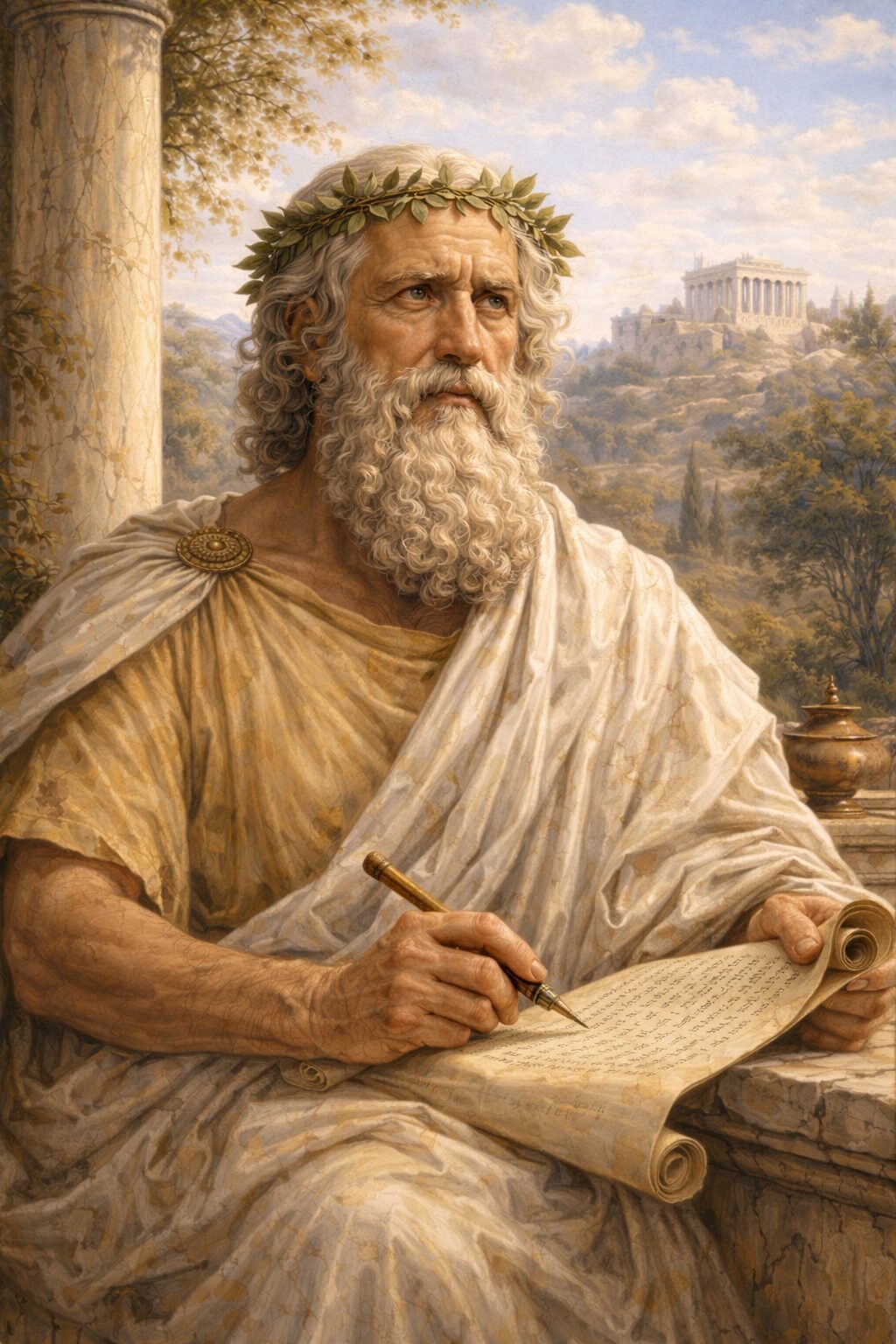
Portrait of Euripides

Author

Euripides

Euripides, (ca. 480 BC–406 BC) was the last of the three great tragedians of classical Athens (the other two being Aeschylus and Sophocles). It is believed that Euripides wrote close over 90 plays, only eighteen of which have survived in their complete from.

Euripides presented his first set of tragedies at the Great Dionysia in 455 B.C., but did not win his first victory until 441. In fact, he won only five awards, as compared with 13 for Aeschylus and 18 for Sophocles, with whom Euripides was compared even during his lifetime--and the fifth of these was not awarded until after his death.  Euripides' work was largely ignored by the judges of the Greek festivals in part he did not cater to the the populist desires of the Athenian crowd. Disapproving of their superstitions and belief in the acceptance of horrific deeds by gods and heroes, he refused to pander to any moral hypocrisy. He was a pacifist, a free thinker, and a humanitarian in an age when such qualities were increasingly overshadowed by mindless compliance, intolerance and violence. According to Aristotle, Sophocles said that he portrayed men as they ought to be, and Euripides portrayed them as they were.

Euripides wrote a number of plays and won first prize in the competition for tragedy five times. The majority of these works have not survived. It is clear from comments in other works (especially in the plays of Aristophanes) that Euripides was a controversial figure in Athens. In 408 he moved from Athens to Macdonia and died the following year, allegedly torn apart by a pack of hunting dogs. The Bacchae, one of his last plays, was not performed during his lifetime.

Resources

Bacchae 9 resources

GREEK TRAGEDY · CHARACTER GUIDE

Character Guide and Relationships in Euripides’ Bacchae

A classroom guide to the principal characters and relationships in Euripides’ Bacchae. Examines Dionysus’ confrontation with Pentheus, Agave’s tragic role, the counsel of Cadmus and Tiresias, and the contrasting perspectives of the Chorus and messengers. Includes a relationship overview and discussion questions about divine power, family loyalty, and responsibility.

Read resource →

GREEK TRAGEDY · CLOSE READING & LITERARY ANALYSIS

Close Reading and Literary Devices in Euripides’ Bacchae

A close-reading guide to Euripides’ Bacchae examining dramatic irony, Dionysian imagery, contrasting character voices, messenger speeches, and the recognition scene. Includes six analytical questions and guided activities to help students connect literary techniques with the play’s central conflicts.

Read resource →

Greek Tragedy · Teacher’s Guide

Euripides’ Bacchae — Teacher’s Guide

A teaching guide to Euripides’ Bacchae, exploring Dionysus’ arrival in Thebes, King Pentheus’ resistance, and the conflict between religious experience and political authority. Includes literary context, plot, characters, major themes, teaching objectives, close-reading suggestions, classroom activities, and discussion questions.

Read resource →

Greek Tragedy · Student’s Guide

Euripides’ Bacchae: Student’s Guide

A student-friendly guide to Euripides’ Bacchae, exploring Dionysus’ return to Thebes, King Pentheus’ resistance, and questions about authority, belief, identity, and justice. Includes a story overview, character descriptions, important themes, reading guidance, and discussion questions.

Read resource →

GREEK TRAGEDY · HISTORICAL BACKGROUND & CONTEXT

Historical Background and Context in Euripides’ Bacchae

A historical guide to Euripides’ Bacchae, introducing the worship of Dionysus, Greek religious festivals, the development of Athenian tragedy, women’s participation in ritual, and the play’s late fifth-century context. Includes questions that help students distinguish historical evidence from dramatic invention.

Read resource →

GREEK TRAGEDY · PLOT & DRAMATIC STRUCTURE

Plot and Dramatic Structure in Euripides’ Bacchae

A classroom guide to the dramatic progression of Euripides’ Bacchae, examining the prologue, conflict between Dionysus and Pentheus, messenger reports, reversal, catastrophe, and Agave’s recognition. Includes a structural overview, literary analysis, and student discussion questions.

Read resource →

GREEK TRAGEDY · READING COMPREHENSION & ANALYSIS

Reading Comprehension and Analysis Quiz: Euripides’ Bacchae

A classroom assessment of Euripides’ Bacchae featuring eight multiple-choice questions and three short-answer responses. Students examine Dionysus’ motives, Pentheus’ decisions, messenger speeches, dramatic irony, Agave’s recognition, and the play’s treatment of divine punishment. Separate printable student and teacher answer-key PDFs are provided.

Read resource →

GREEK TRAGEDY · THEMES & SYMBOLS

Themes and Symbols in Euripides’ Bacchae

An accessible examination of the major themes and symbols in Euripides’ Bacchae, including divine authority, political control, religious ecstasy, identity, disguise, the thyrsus, Mount Cithaeron, and the destruction of Pentheus. Includes close-reading questions and a classroom activity.

Read resource →

BOOK TRAILER

Bacchae Book Trailer

A visual introduction to Euripides’ Bacchae, a Greek tragedy about reason, ecstasy, divine power, and the consequences of denying the irrational.

Read resource →
Electra 9 resources

GREEK TRAGEDY · CHARACTER GUIDE & RELATIONSHIPS

Euripides’ Electra — Character Guide and Relationships

Explore the principal characters in Euripides’ Electra, including Electra, Orestes, Clytemnestra, Aegisthus, Pylades, and the Old Man. This guide explains their relationships, motivations, and roles in the tragedy, with a family relationship chart and questions for character analysis.

Read resource →

GREEK TRAGEDY · CLOSE READING & LITERARY DEVICES

Euripides’ Electra — Close Reading and Literary Devices

Examine the literary and dramatic techniques of Euripides’ Electra through guided close-reading activities. Explore dramatic irony, recognition, contrasting characters, persuasive speeches, messenger narration, and the play’s unsettling conclusion.

Read resource →

GREEK TRAGEDY · MAJOR THEMES

Euripides’ Electra — Major Themes

Explore the central themes of Euripides’ Electra, including justice and revenge, family obligation, guilt, social status, and the consequences of violence. Includes textual analysis, discussion questions, and a classroom activity.

Read resource →

GREEK TRAGEDY · MYTHOLOGICAL BACKGROUND

Euripides’ Electra — Mythological Background and Context

Discover the mythological background of Euripides’ Electra, including the troubled House of Atreus, Agamemnon’s sacrifice of Iphigenia, the Trojan War, and the murder that sets the siblings’ revenge in motion. Includes a family overview, discussion questions, and a classroom activity.

Read resource →

GREEK TRAGEDY · PLOT & DRAMATIC STRUCTURE

Euripides’ Electra — Plot and Dramatic Structure

Follow the dramatic development of Euripides’ Electra, from Orestes’ secret return and reunion with his sister to their revenge and its troubling aftermath. Includes a plot outline, key turning points, dramatic techniques, and questions for classroom analysis.

Read resource →

Greek Tragedy · Student’s Guide

Euripides’ Electra — Student’s Guide

A student-friendly guide to Euripides’ Electra, exploring Electra and Orestes’ revenge for their father’s murder, the conflict between family loyalty and moral responsibility, and the consequences of guilt. Includes a story overview, characters, important themes, reading guidance, and discussion questions.

Read resource →

Greek Tragedy · Teacher’s Guide

Euripides’ Electra — Teacher’s Guide

A teaching guide to Euripides’ Electra, examining the revenge of Electra and Orestes, the moral consequences of matricide, and the play’s challenges to traditional ideas of justice, nobility, and family duty. Includes historical context, characters, themes, teaching objectives, close-reading passages, classroom activities, and discussion questions.

Read resource →
Hippolytus 9 resources

GREEK TRAGEDY · CHARACTER GUIDE & RELATIONSHIPS

Euripides’ Hippolytus — Character Guide and Relationships

Explore the principal characters in Euripides’ Hippolytus, including Hippolytus, Phaedra, Theseus, the Nurse, Aphrodite, and Artemis. This guide examines their relationships, motivations, and conflicting obligations, with questions and a classroom activity.

Read resource →

GREEK TRAGEDY · CLOSE READING & LITERARY DEVICES

Euripides’ Hippolytus — Close Reading and Literary Devices

Explore six literary and dramatic techniques in Euripides’ Hippolytus, including dramatic irony, persuasive dialogue, imagery, oaths and silence, messenger narration, and tragic recognition. Includes guided questions, a comparison activity, and an analytical writing assignment.

Read resource →

GREEK TRAGEDY · MAJOR THEMES

Euripides’ Hippolytus — Major Themes

Explore six central themes of Euripides’ Hippolytus, including divine rivalry, desire and self-control, honor, secrecy, pride, and the dangers of judgment without evidence. Includes close-reading questions, discussion prompts, and a classroom activity.

Read resource →

GREEK TRAGEDY · MYTHOLOGICAL BACKGROUND

Euripides’ Hippolytus — Mythological Background and Context

Discover the mythological background of Euripides’ Hippolytus, including Theseus’ heroic past, Hippolytus’ Amazon ancestry, Phaedra’s Cretan family, the powers of Aphrodite and Artemis, and Poseidon’s fatal curse. Includes family connections, discussion questions, and a classroom activity.

Read resource →

GREEK TRAGEDY · PLOT & DRAMATIC STRUCTURE

Euripides’ Hippolytus — Plot and Dramatic Structure

Follow the dramatic structure of Euripides’ Hippolytus, from Aphrodite’s opening declaration and Phaedra’s hidden suffering to Theseus’ fatal judgment and Artemis’ revelation. Includes a plot outline, dramatic techniques, analysis questions, and a classroom activity.

Read resource →

Greek Tragedy · Student’s Guide

Euripides’ Hippolytus — Student’s Guide

A student-friendly guide to Euripides’ Hippolytus, exploring Phaedra’s unwanted desire, Hippolytus’ devotion to Artemis, Theseus’ fatal judgment, and the consequences of secrecy and false accusations. Includes a plot overview, characters, themes, reading guidance, and discussion questions.

Read resource →

Greek Tragedy · Teacher’s Guide

Euripides’ Hippolytus — Teacher’s Guide

A teaching guide to Euripides’ Hippolytus, exploring Phaedra’s forbidden desire, Hippolytus’ devotion to Artemis, Theseus’ fatal judgment, and the conflict between divine power and human responsibility. Includes historical context, plot, characters, major themes, teaching objectives, close-reading suggestions, classroom activities, and discussion questions.

Read resource →
Medea 10 resources

GREEK TRAGEDY · CHARACTER GUIDE & RELATIONSHIPS

Euripides’ Medea — Character Guide and Relationships

Explore the principal characters and relationships in Euripides’ Medea, including Medea, Jason, Creon, the Corinthian princess, Aegeus, and the Chorus. Includes character analysis, discussion questions, and a classroom activity examining betrayal, power, and responsibility.

Read resource →

GREEK TRAGEDY · CLOSE READING & LITERARY DEVICES

Euripides’ Medea — Close Reading and Literary Devices

Explore how Euripides uses persuasive dialogue, dramatic irony, imagery, messenger narration, offstage violence, and the play’s extraordinary ending to develop the tragedy of Medea. Includes guided questions, a comparative activity, and an analytical writing assignment.

Read resource →

GREEK TRAGEDY · DISCUSSION & WRITING PROMPTS

Euripides’ Medea — Discussion Questions and Essay Prompts

Engage students in thoughtful discussion and analytical writing about Euripides’ Medea. Includes character and theme questions, structured debates, six essay assignments, writing guidance, and a classroom activity examining conflicting claims of justice and responsibility.

Read resource →

GREEK TRAGEDY · MAJOR THEMES

Euripides’ Medea — Major Themes

Explore six central themes of Euripides’ Medea, including betrayal, revenge, exile, women's social position, justice, and the conflict between love and anger. Includes discussion questions, a classroom activity, and guidance for evidence-based interpretation.

Read resource →

GREEK TRAGEDY · MYTHOLOGICAL BACKGROUND

Euripides’ Medea — Mythological Background and Context

Discover the mythological background of Euripides’ Medea, from Jason’s voyage aboard the Argo and Medea’s origins in Colchis to the couple’s flight, family history, and life in Corinth. Includes key mythological connections, discussion questions, and a classroom activity.

Read resource →

GREEK TRAGEDY · PLOT & DRAMATIC STRUCTURE

Euripides’ Medea — Plot and Dramatic Structure

Trace the dramatic structure of Euripides’ Medea, from Jason’s betrayal and Creon’s decree of exile to Medea’s revenge and departure. Includes a nine-stage plot outline, dramatic techniques, analysis questions, and a classroom activity.

Read resource →

Greek Tragedy · Student’s Guide

Euripides’ Medea — Student’s Guide

A student-friendly guide to Euripides’ Medea, exploring Jason’s betrayal, Medea’s threatened exile, the conflict between justice and revenge, and the consequences of her decisions. Includes a plot overview, character descriptions, important themes, reading guidance, and discussion questions.

Read resource →

Greek Tragedy · Teacher’s Guide

Euripides’ Medea — Teacher’s Guide

A teaching guide to Euripides’ Medea, exploring betrayal, exile, gender and power, persuasion, revenge, and moral responsibility. Includes historical context, a plot overview, character descriptions, major themes, teaching objectives, close-reading suggestions, classroom activities, and discussion questions.

Read resource →
Orestes 6 resources

GREEK TRAGEDY · MAJOR THEMES

Euripides’ Orestes — Major Themes

Explore six central themes in Euripides’ Orestes, including guilt, revenge, divine authority, family loyalty, political judgment, and moral compromise. Includes discussion questions and a classroom activity examining conflicting obligations.

Read resource →

GREEK TRAGEDY · PLOT & DRAMATIC STRUCTURE

Euripides’ Orestes — Plot and Dramatic Structure

Trace nine major stages of Euripides’ Orestes, from the siblings’ suffering and the Argive assembly’s judgment to their desperate plot against Helen and Hermione and Apollo’s final intervention. Includes dramatic techniques, discussion questions, and a classroom timeline activity.

Read resource →

Greek Tragedy · Student’s Guide

Euripides’ Orestes — Student’s Guide

A student-friendly introduction to Euripides’ Orestes, exploring the aftermath of Clytaemnestra’s murder, Orestes’ suffering, family loyalty, public judgment, and the consequences of revenge. Includes a plot summary, character guide, themes, reading suggestions, and discussion questions.

Read resource →

Greek Tragedy · Teacher’s Guide

Euripides’ Orestes — Teacher’s Guide

A teaching guide to Euripides’ Orestes, examining the aftermath of matricide, competing claims of justice, political persuasion, loyalty, escalating violence, and divine intervention. Includes context, plot, characters, themes, teaching objectives, close-reading suggestions, activities, and discussion questions.

Read resource →
The Persians 1 resource

GREEK TRAGEDY · CLOSE READING & LITERARY ANALYSIS

Close Reading and Literary Devices in Aeschylus’ The Persians

A classroom guide to the literary techniques of Aeschylus’ The Persians, examining dramatic irony, Atossa’s symbolic dream, the messenger’s vivid account of Salamis, the contrasting voices of Darius and Xerxes, and the Chorus’s changing language of grief. Includes close-reading activities and six analytical questions.

Read resource →
Across Works 13 resources

GREEK TRAGEDY • BACKGROUND GUIDE

A Student’s Guide to Greek Tragedy

An accessible introduction to ancient Greek tragedy, explaining its origins, major playwrights, theatrical conventions, Chorus, dramatic structure, religious context, and central conflicts. Includes essential literary terms, reading strategies, and questions students can apply to tragedies by Aeschylus, Sophocles, and Euripides.

Read resource →

GREEK TRAGEDY • BACKGROUND GUIDE

Aeschylus, Sophocles, and Euripides: Three Greek Tragedians

A comparative introduction to Aeschylus, Sophocles, and Euripides, exploring their surviving tragedies, dramatic approaches, treatment of justice, knowledge, suffering, and the Chorus. Includes examples from the Oresteia, The Persians, Antigone, Oedipus the King, Medea, and The Bacchae, together with discussion questions and a comparative classroom activity.

Read resource →

GREEK TRAGEDY • BACKGROUND GUIDE

Aristotle and Greek Tragedy

A student-friendly introduction to Aristotle's analysis of Greek tragedy, including hamartia, hubris, catharsis, recognition, reversal, and the importance of plot. Distinguishes Aristotle's ideas from later classroom formulas and provides examples from Oedipus the King, Antigone, and Medea, along with discussion questions and a classroom exercise.

Read resource →

GREEK TRAGEDY • BACKGROUND GUIDE

Fate, Choice, and Responsibility in Greek Tragedy

An accessible examination of fate, prophecy, free choice, and moral responsibility in Greek tragedy. Uses examples from Sophocles and Aeschylus to distinguish unavoidable circumstances from individual decisions, with close-reading questions and a classroom activity for evaluating tragic choices.

Read resource →

GREEK TRAGEDY • BACKGROUND GUIDE

Greek Tragedy and the Gods

An accessible guide to the role of the gods in Greek tragedy, examining divine authority, oracles, prophecy, sacred obligations, ritual, justice, and human responsibility. Includes examples from Sophocles and Euripides, close-reading questions, and a classroom activity distinguishing characters’ beliefs from dramatic evidence.

Read resource →

GREEK TRAGEDY • HISTORICAL BACKGROUND

Greek Tragedy in Fifth-Century Athens

A student-friendly guide to the political, religious, and cultural setting of Greek tragedy in fifth-century Athens. Explains Athenian democracy and its limits, the festivals of Dionysus, dramatic competitions, audiences, empire, warfare, and the historical settings of Aeschylus, Sophocles, and Euripides. Includes discussion questions and a classroom activity.

Read resource →

THE WORLD OF THE ANCIENT GREEKS

Introduction to Ancient Greece

A concise guide to the geography, history, political life, and cultural development of ancient Greece, from the Bronze Age civilizations of Crete and Mycenae through the rise of the city-states, Classical Athens and Sparta, and the age of Alexander the Great.

Read resource →

GREEK TRAGEDY • BACKGROUND GUIDE

Structure of a Greek Tragedy

A clear introduction to the structure of ancient Greek tragedy, explaining the prologue, parodos, episodes, stasima, and exodos. Includes additional dramatic terms, a simplified performance sequence, an example from Sophocles’ Antigone, close-reading questions, and a classroom exercise.

Read resource →

GREEK TRAGEDY • BACKGROUND GUIDE

The Chorus in Greek Tragedy

An accessible guide to the Chorus in ancient Greek tragedy, explaining its role as a collective voice, dramatic participant, and performer of choral odes. Includes examples from Antigone, Oedipus the King, and Medea, along with reading strategies, discussion questions, and a classroom activity.

Read resource →

GREEK TRAGEDY • THEATER & PERFORMANCE

The Greek Theater: Stage, Actors, Masks, and Audience

A student-friendly introduction to the ancient Greek theater and the performance traditions of tragedy. Explains the theatron, orchestra, skene, actors, masks, costumes, the Chorus, music, messenger speeches, and festival audiences, with practical questions to help students imagine how Greek tragedies were originally experienced

Read resource →

GREEK TRAGEDY • BACKGROUND GUIDE

The Tragic Hero: What the Term Does—and Does Not—Mean

A critical introduction to the idea of the tragic hero, explaining why Greek tragedy cannot always be reduced to a noble character with a fatal flaw. Examines error, pride, suffering, moral responsibility, and the complexity of tragic protagonists, with examples from Antigone, Oedipus the King, Ajax, and Medea. Includes discussion questions and a comparative classroom activity.

Read resource →

Refine these resources